Motorcycle Helmets
Every helmet type and rider segment, compared on certification, weight, features and live price — from full-face flagships to the smart budget picks.
A helmet is the one piece of gear no rider argues about — and also the one where the marketing gets loudest. The Lid Test cuts through it the same way every time: we compare helmets on what the spec sheet and the certifications actually say. Every helmet below is judged on the same things — its certifications (DOT, ECE 22.06, Snell M2025), its weight, its shell material, its fit and head shape, its features, and a live price— not on which brand shouts the loudest.
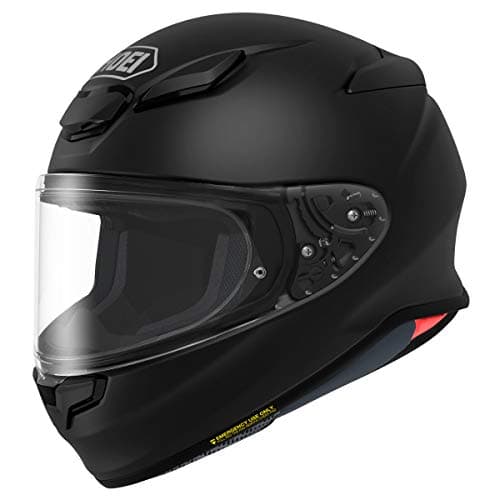
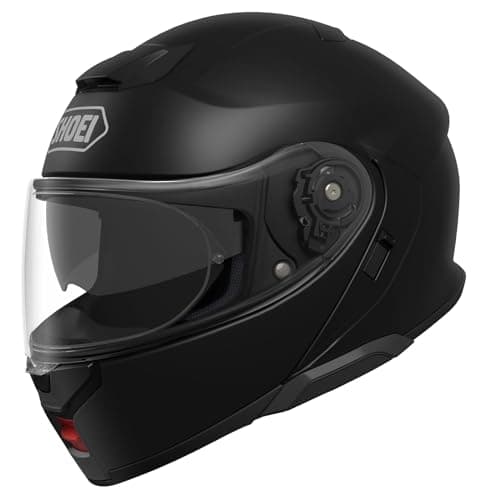
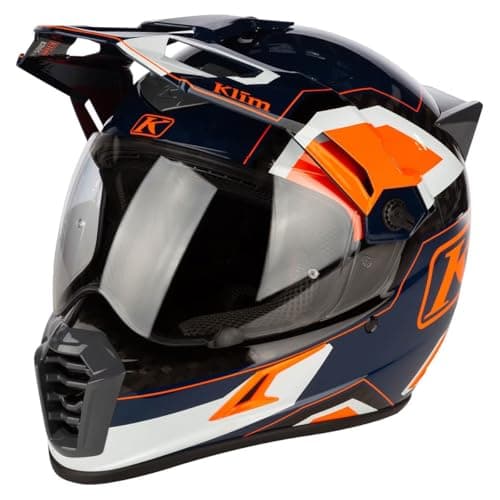
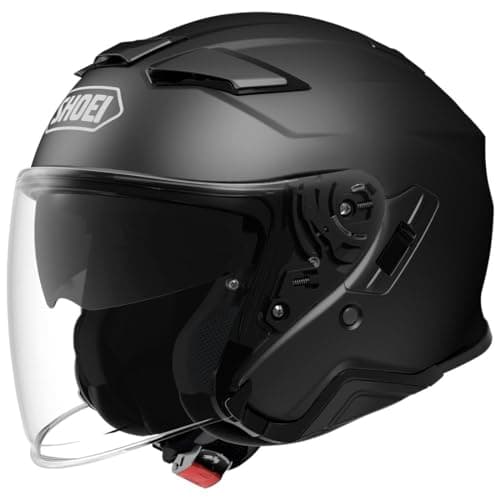
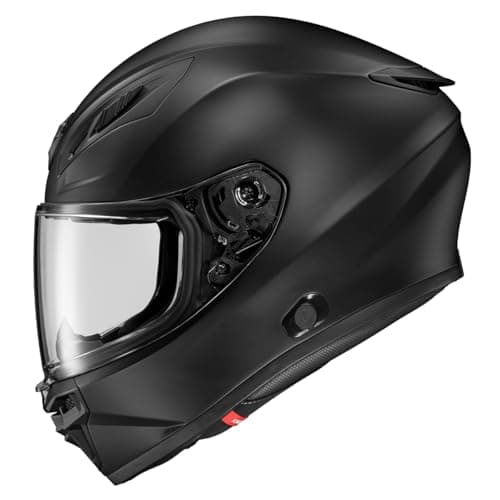
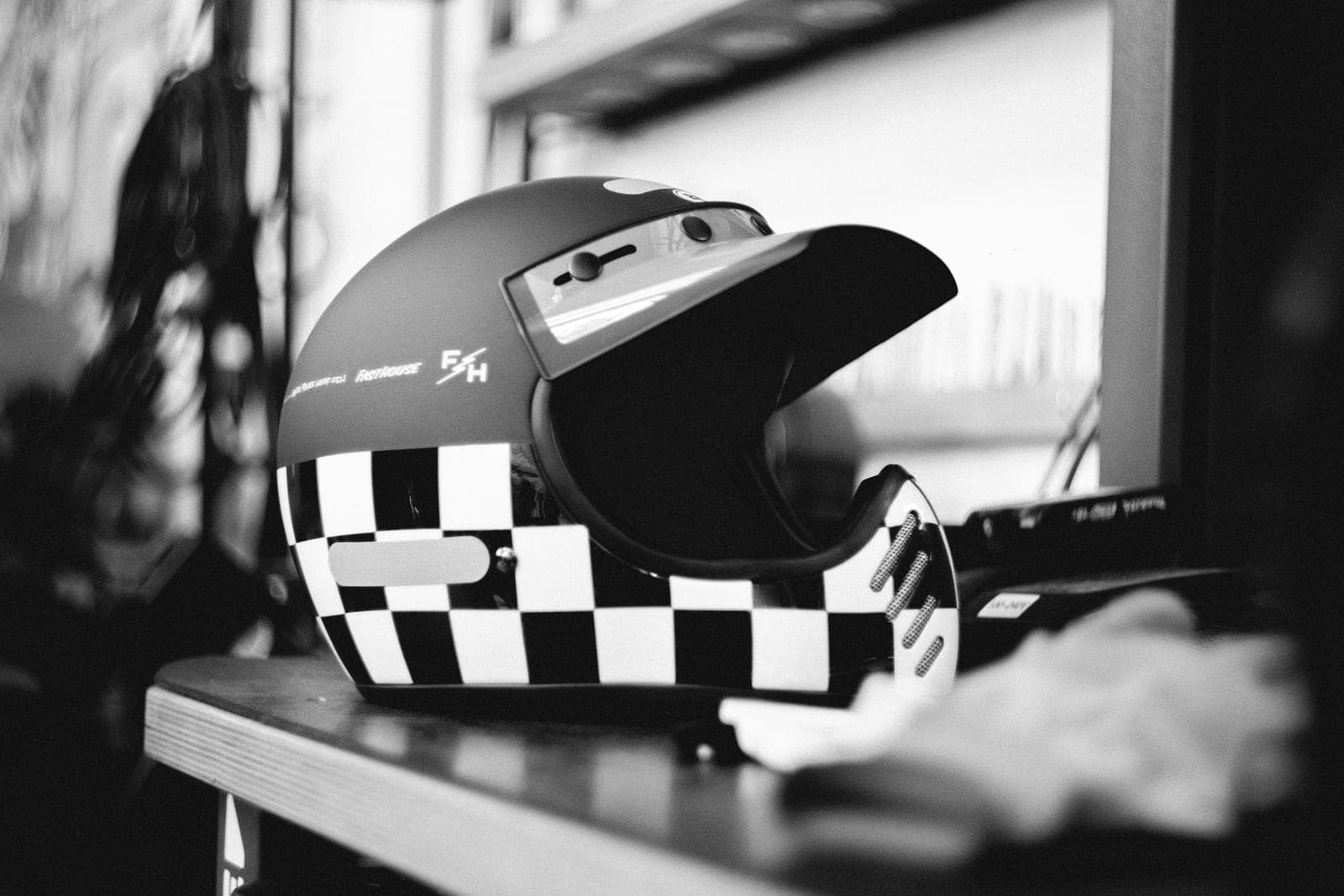
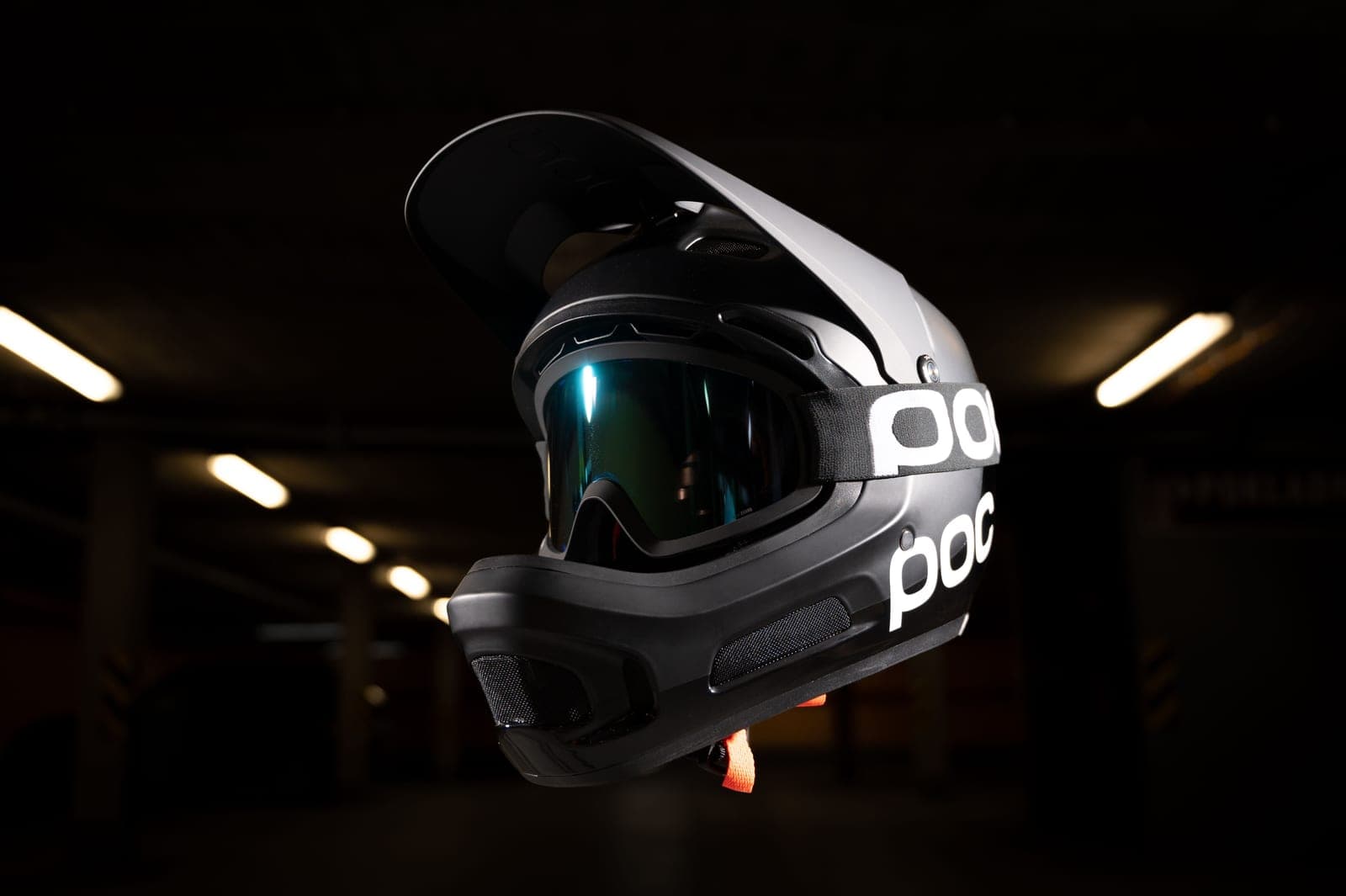
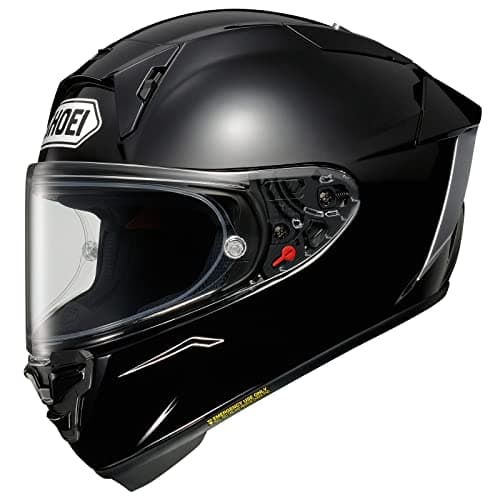
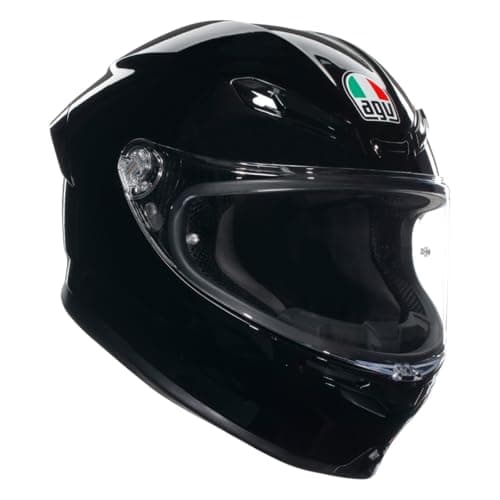
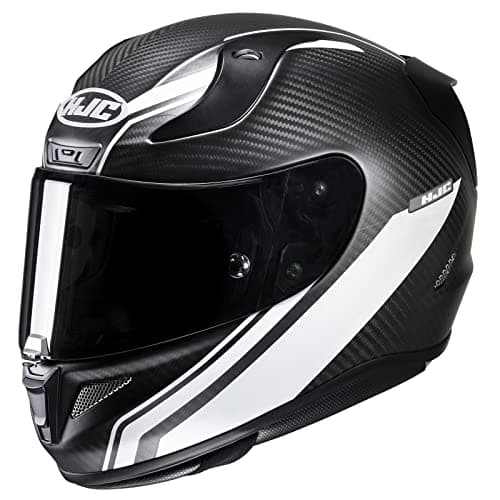
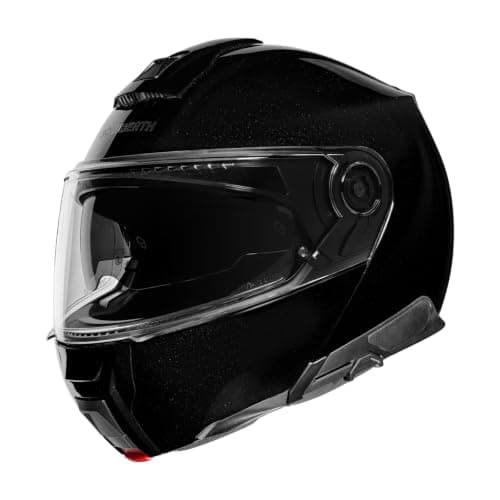
Start with the type, because it decides most of the rest. A full-face helmet is the safest and usually the quietest: one solid shell, a chin bar, and the best aerodynamics. A modular(flip-up) trades a little weight and noise for the convenience of lifting the chin bar at a gas stop — the touring favorite. An adventure helmet adds a peak and goggle compatibility for mixed road-and-trail riding. An open-face or half helmetgives up the chin bar entirely for visibility, airflow and classic looks — a real trade, and we rank the certified ones on what you get back for it. And if you want music, calls and rider-to-rider talk built in, a Bluetooth helmet saves you buying and mounting a separate intercom.
What actually matters when you buy
Certification first.Every helmet sold for street use in the US must meet DOT (FMVSS 218). ECE 22.06 is the newer European standard that adds rotational and multi-point impact testing, and Snell M2025 is a stricter, independent protocol on top. More certifications is not automatically “safer for you,” but it tells you how thoroughly a shell has been vetted — our safety-ratings guide explains exactly what each one tests and who verifies it.
Fit beats everything else.The best-rated helmet in the world is useless if it doesn’t match your head shape. Most helmets here are intermediate-oval — the most common Western head shape — but a few (notably Arai) run rounder. A helmet should be snug enough that it moves your scalp, not just slides on your skin. Our sizing guide walks through measuring and reading head shape so you order the right size the first time.
Weight and features are the tiebreakers.A lighter shell (carbon or a good composite) means less neck fatigue on a long day; a drop-down sun visor saves swapping shields; a Pinlock-ready face shield kills fogging. Where a maker doesn’t publish a weight or a certification, we write “Not published” rather than guess — because what a brand leaves off its spec sheet is worth knowing too.
Below, each roundup takes one type or one rider need — the best for beginners, the quietest, the best on a budget— and ranks a short list on those same spec-first terms, with a live price and a buy link on every pick. Pick the one that matches how you ride.
Three of the pages below are head-to-heads rather than rankings, for the decisions that come down to two options rather than seven: open-face vs full-face if you have not settled on a helmet type, Schuberth vs Shoei if the question is which premium maker, and HJC RPHA 11 Pro vs Shoei RF-1400 if it is the value composite shell against the Snell-rated benchmark.
Everything in Helmets
Best Full-Face Motorcycle Helmets
The safest, quietest helmet type, compared on certification, shell material and weight — premium to budget.
Best Modular Motorcycle Helmets
Flip-up touring helmets compared on shell, sun visor and comms integration — the convenience of open-face with full-face coverage.
Our top pick
Shoei Neotec 3
$935.00 · View on AmazonPrice as of October 18, 2026. #ad How we’re funded
Best Adventure Motorcycle Helmets
Dual-sport and ADV helmets with peaks and goggle compatibility, from carbon flagships to value picks.
Our top pick
Klim Krios Pro
$599.74 · View on AmazonPrice as of October 18, 2026. #ad How we’re funded
Best Open-Face and Half Helmets
The three-quarter and half-shell lids worth buying, ranked on what they actually give you back for the coverage you give up — sun shield, shell material, fit system and weight.
Our top pick
Shoei J-Cruise II
$499.99 · View on AmazonPrice as of October 18, 2026. #ad How we’re funded
Best Smart Motorcycle Helmets
Helmets with mesh intercom, LED lighting and the electronics designed into the shell — ranked on what the hardware actually does, and honest about the lock-in you accept.
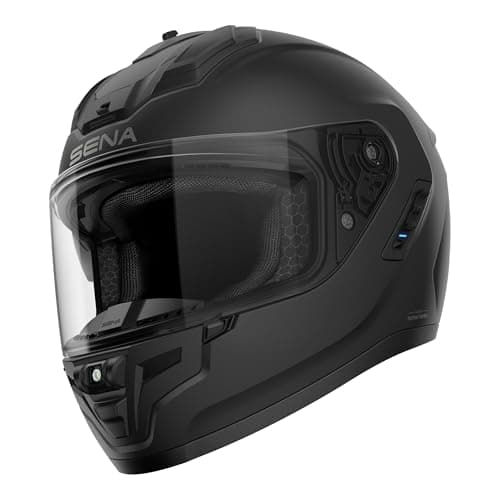
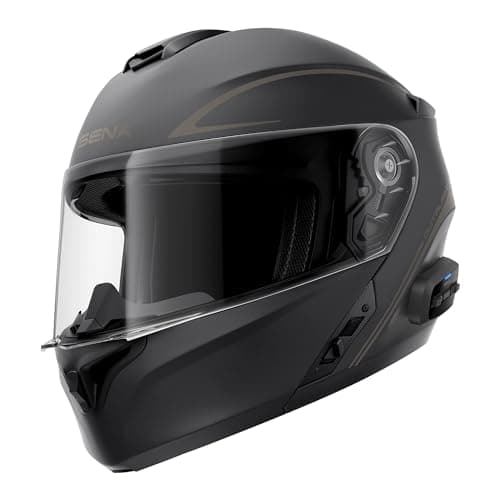
Best Bluetooth Motorcycle Helmets
Helmets with built-in comms plus the best comms-ready lids — so music, calls and intercom are one purchase, not two.
Our top pick
Sena Outrush R
$359.00 · View on AmazonPrice as of October 18, 2026. #ad How we’re funded
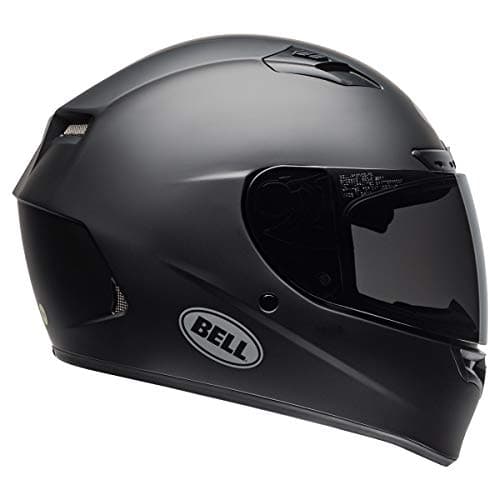
Best Motorcycle Helmets for Beginners
Certified, comfortable, sensibly-priced first helmets — the ones that get the protection right without overspending.
Our top pick
Bell Qualifier DLX MIPS
$228.99 · View on AmazonPrice as of October 18, 2026. #ad How we’re funded
Best Motorcycle Helmets for Women
There is no women-only helmet shell — what matters is which lids actually come in XS and smaller, and how much they weigh. Ranked on both.
Quietest Motorcycle Helmets
The helmets built to cut wind noise — aero shells, wind collars and tight seals — and how to actually judge quietness.
Our top pick
Shoei Neotec 3
$935.00 · View on AmazonPrice as of October 18, 2026. #ad How we’re funded
Best Budget Motorcycle Helmets
The cheap helmets worth buying — certified, featured and honestly compared, with no corner-cutting on the protection that matters.
Best Motorcycle Helmets for Touring
Long-day helmets ranked on the things that matter after hour three — quiet, a sun visor, comms integration and comfort. Modular and full-face.
Our top pick
Shoei Neotec 3
$935.00 · View on AmazonPrice as of October 18, 2026. #ad How we’re funded
Best Motorcycle Helmets for Cruisers
Certified full-face and modular lids suited to an upright cruiser riding position — quiet, a sun visor, classic looks, and one that converts to open-face.
Our top pick
Shoei Neotec 3
$935.00 · View on AmazonPrice as of October 18, 2026. #ad How we’re funded
Best Motorcycle Helmets for Glasses
The helmets that make riding in glasses painless — eyewear-friendly cheek pads, a wide eye port, and the modulars you can flip up to put them on.
Our top pick
Shoei Neotec 3
$935.00 · View on AmazonPrice as of October 18, 2026. #ad How we’re funded
Best Motorcycle Helmets for Big Heads
Ranked by published top size — the certified helmets that actually run to 3XL and 4XL, so a bigger head gets a proper fit, not a stretched Large.
Our top pick
Scorpion EXO-R430
$184.95 · View on AmazonPrice as of October 18, 2026. #ad How we’re funded
Full-Face vs Modular Helmets: Which Should You Buy?
The two most popular helmet types compared on safety, weight, noise and convenience — and a clear answer for how you actually ride.
Shoei RF-1400 vs AGV K6 S
Two premium full-face benchmarks head to head — Snell composite vs featherweight carbon-aramid — and which one fits which rider.
Best Motorcycle Helmets for Commuting
The daily-grind lids that earn their keep at 8am and 6pm — a sun visor for low sun, easy comms for music and calls, a sensible weight, and a price you won't cry over in traffic.
Our top pick
Sena Outrush R
$359.00 · View on AmazonPrice as of October 18, 2026. #ad How we’re funded
Best Motorcycle Helmets for Track Days
Sport and track helmets ranked on the things that matter tucked at speed — Snell and ECE 22.06 impact ratings, a wide eye port, real ventilation and low weight.
Our top pick
Shoei X-Fifteen
$979.99 · View on AmazonPrice as of October 18, 2026. #ad How we’re funded
The Lightest Motorcycle Helmets
Ranked by published weight — the composite and carbon lids that spare your neck on a long day, from a 1,255 g carbon-aramid full-face down the list.
Shoei Neotec 3 vs HJC RPHA 91
The touring-modular benchmark against the value composite modular — what the extra money buys, and where the HJC is smart enough that you might not need it.
Klim Krios Pro vs Arai XD-5
Two premium adventure lids with opposite philosophies — featherweight carbon versus Arai's round-shell Snell fiberglass — and which suits dirt-leaning or pavement-leaning ADV riding.
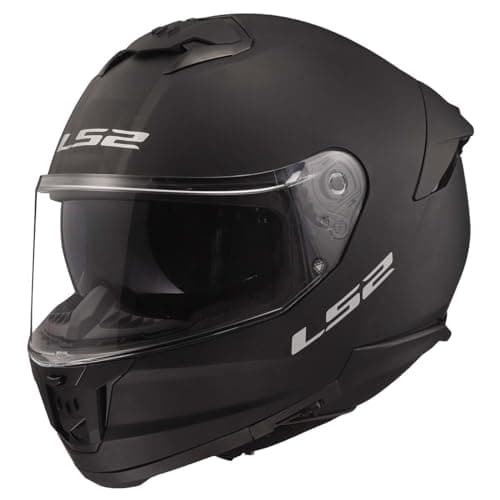
LS2 Stream II vs Scorpion EXO-R430
The two best budget full-faces under $200 head to head — a sun visor and ECE 22.06 versus a current Snell rating — and a clean answer for which one you should buy.
Shoei RF-1400 vs Shoei X-Fifteen
Shoei's do-everything full-face against its race flagship — the road helmet versus the tucked-at-the-track helmet — so you don't overpay for aero you'll never use.
The Safest Motorcycle Helmets
Ranked purely on the certification stack — Snell, ECE 22.06, DOT and rotational management — because that is the only part of helmet safety anyone publishes numbers for.
Our top pick
Shoei X-Fifteen
$979.99 · View on AmazonPrice as of October 18, 2026. #ad How we’re funded
Snell-Approved Motorcycle Helmets
Every helmet we list that carries a current Snell rating, and what the D and R suffixes mean — because Snell publishes two separate M2025 standards and most US listings print neither one.
Best Motorcycle Helmets for Passengers
A pillion rides with no screen, no controls and nothing to do but look around — so the helmet is judged on talking to the rider, weight, glare and getting it on and off. Ranked on all four.
Our top pick
Sena Outrush R
$359.00 · View on AmazonPrice as of October 18, 2026. #ad How we’re funded
Best Motorcycle Helmets for Hot Weather
Summer lids ranked on the two things that actually cool a head — how much air the shell moves and how little it weighs — from race-vented composites to a helmet whose chin bar comes off.
Our top pick
HJC RPHA 11 Pro
$323.90 · View on AmazonPrice as of October 18, 2026. #ad How we’re funded
Best Motorcycle Helmets for Rain
Wet-weather riding is a fogging problem before it is a waterproofing problem. The helmets that seal, shed and stay clear — ranked on Pinlock readiness, closable vents and a sun visor for dark skies.
Our top pick
Shoei Neotec 3
$935.00 · View on AmazonPrice as of October 18, 2026. #ad How we’re funded
HJC RPHA 11 Pro vs AGV K6 S
Two composite sport full-faces, head to head — HJC's PIM+ shell against AGV's carbon-aramid featherweight — separated by 162 g, one certification generation and a much bigger eye port.
Arai XD-5 vs Shoei Hornet X2
The two Japanese premium adventure helmets head to head — both Snell-rated, both pavement-leaning — and the shell-shape and shield differences that decide it.
Arai vs Shoei: Which Brand Should You Buy?
The two Japanese benchmarks compared brand to brand — three interior head shapes against four shell sizes, Snell against ECE 22.06, and what each one actually costs to get into.
Shoei Neotec 3 vs Schuberth C5
The two flagship touring modulars head to head — three shell sizes against a wider size range, a factory-fitted Pinlock against a purpose-built comms channel, and why the certification argument you have read elsewhere does not survive reading both makers' US pages.
Shoei RF-1400 vs Arai Contour-X
The two Snell M2025 Japanese street full-faces head to head — a hand-laid AIM+ shell in multiple sizes against Arai's four-shell R75 round construction, 136 g of published weight, and a Pinlock insert that only one of them puts in the box.
Schuberth C5 vs HJC RPHA 91
A flagship touring modular against the composite mid-price one — P/J homologation, a preinstalled Pinlock 120 and shell-integrated comms antennas against a drop-down sun visor and 48 g less weight for a lot less money.
Shoei vs HJC: Which Brand Should You Buy?
The premium Japanese benchmark against the value Korean giant, brand to brand — certification generations, shell construction, what each one includes in the box, and the price gap that is the whole argument.
Bell Qualifier DLX vs LS2 Stream II
The two first-helmet favorites head to head: MIPS and a self-tinting photochromic shield against ECE 22.06, a drop-down sun visor and a Pinlock-ready shield — and which one is the better buy for a new rider.
Bell Qualifier DLX vs Scorpion EXO-R430
The last side of the budget full-face triangle: MIPS and a self-tinting photochromic shield against a current Snell M2025 rating and a comms port — and the size caveat that decides it for anyone above 2XL.
Our top pick
Scorpion EXO-R430
$184.95 · View on AmazonPrice as of October 18, 2026. #ad How we’re funded
Open-Face vs Full-Face Helmets
The one helmet decision that changes what gets hit. What each type covers, what the certifications do and do not say about the difference, and the four helmets that answer it — including the convertible that refuses to choose.
Schuberth vs Shoei: Which Brand Should You Buy?
The German touring specialist against the Japanese benchmark, brand to brand — what each one publishes on certification, weight and noise, where Schuberth's US paperwork goes quiet, and which maker fits which rider.
Our top pick
Shoei Neotec 3
$935.00 · View on AmazonPrice as of October 18, 2026. #ad How we’re funded
HJC RPHA 11 Pro vs Shoei RF-1400
The value sport full-face against the premium benchmark — a PIM Plus shell and a bagged Pinlock against an AIM+ shell and a Snell M2025 rating, and how much of the gap you can actually feel.
Our top pick
HJC RPHA 11 Pro
$323.90 · View on AmazonPrice as of October 18, 2026. #ad How we’re funded