Communication & Bluetooth
Intercoms, mesh vs Bluetooth, and the Cardo-versus-Sena question — how to add music, calls and rider-to-rider talk to any helmet.
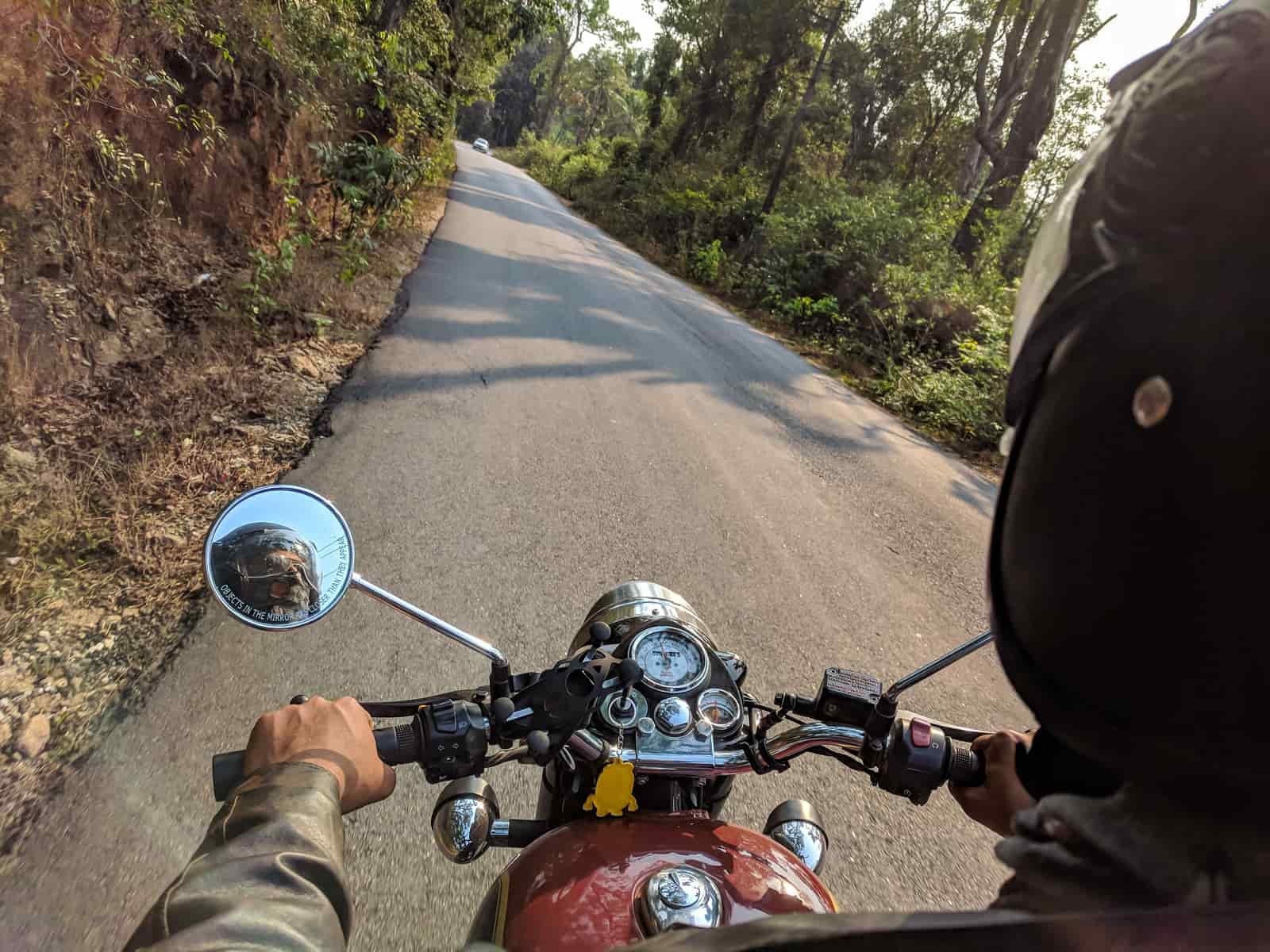
A helmet keeps you safe; a good intercom is what makes a long day actually enjoyable. It is the difference between riding in silence and riding with music, turn-by-turn navigation in your ear, hands-free phone calls, and—on a group ride—being able to talk to the people you’re riding with instead of playing charades at every gas stop. The catch is that the comms category is dense with jargon: mesh versus Bluetooth, DMC versus Open Mesh, “up to a mile” ranges that assume open desert, and two dominant brands—Cardo and Sena—whose fans argue about them like sports teams. We cut through all of it the same way we cut through helmets: on the published specs.
The one decision that matters: mesh or Bluetooth
Almost every buying question here comes back to one fork. Bluetoothintercoms pair devices in a chain: rider A to rider B to rider C. It works, it’s cheaper, and for two people (you and a passenger, or you and one riding buddy) it’s all you need. The weakness shows up in groups—if the rider in the middle drops out of range or shuts their unit off, everyone downstream of them goes quiet, and re-connecting is a manual chore. Mesh intercoms fix exactly that: every unit talks to every other unit in the group, the network heals itself when someone drops out and comes back, and you can spread out across a mile of highway without babysitting the connection. Mesh costs more, and if you only ever ride solo or two-up you may never need it. Our Bluetooth vs mesh guide walks through which one fits how you actually ride, and our best intercoms roundup ranks the top units in both camps.
Cardo vs Sena, without the tribalism
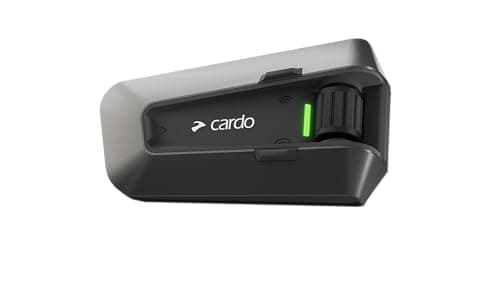
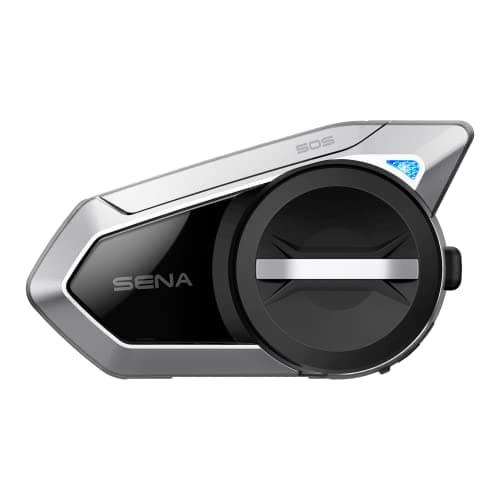
The two brands that own this category are Cardo and Sena. Cardo’s headline units use second-generation DMC mesh with JBL speakers and, on the Packtalk Edge, a magnetic Air Mount that is genuinely the best mounting system in the category. Sena counters with Harman Kardon audio and a longer headline Open Mesh range. Neither is universally “better”—the right answer depends on whether your riding group already runs one brand (mixing brands means falling back to more limited universal Bluetooth), how big your groups get, and whether you value Cardo’s mounting or Sena’s range headline. Our Cardo vs Sena comparison puts them side by side on the numbers that decide it.
What the spec sheet actually tells you
When we compare a comms unit, five figures do most of the work. Connectivity (mesh, Bluetooth, or both) sets the ceiling on group riding. Rangeis a manufacturer best-case number—treat “1 mile” or “5 miles” as line-of-sight in open terrain, not a promise through city buildings or forest. Max riders is the group size the intercom supports. Talk timeis battery life under continuous use, and it’s the spec that decides whether a unit survives a full touring day. Speaker brand(JBL, Harman Kardon, or unbranded) is a rough proxy for audio quality, which matters more than you’d think at highway wind noise. Where a maker doesn’t publish one of these, we print “Not published” rather than guess—because a spec a brand leaves off its own page is worth noticing.
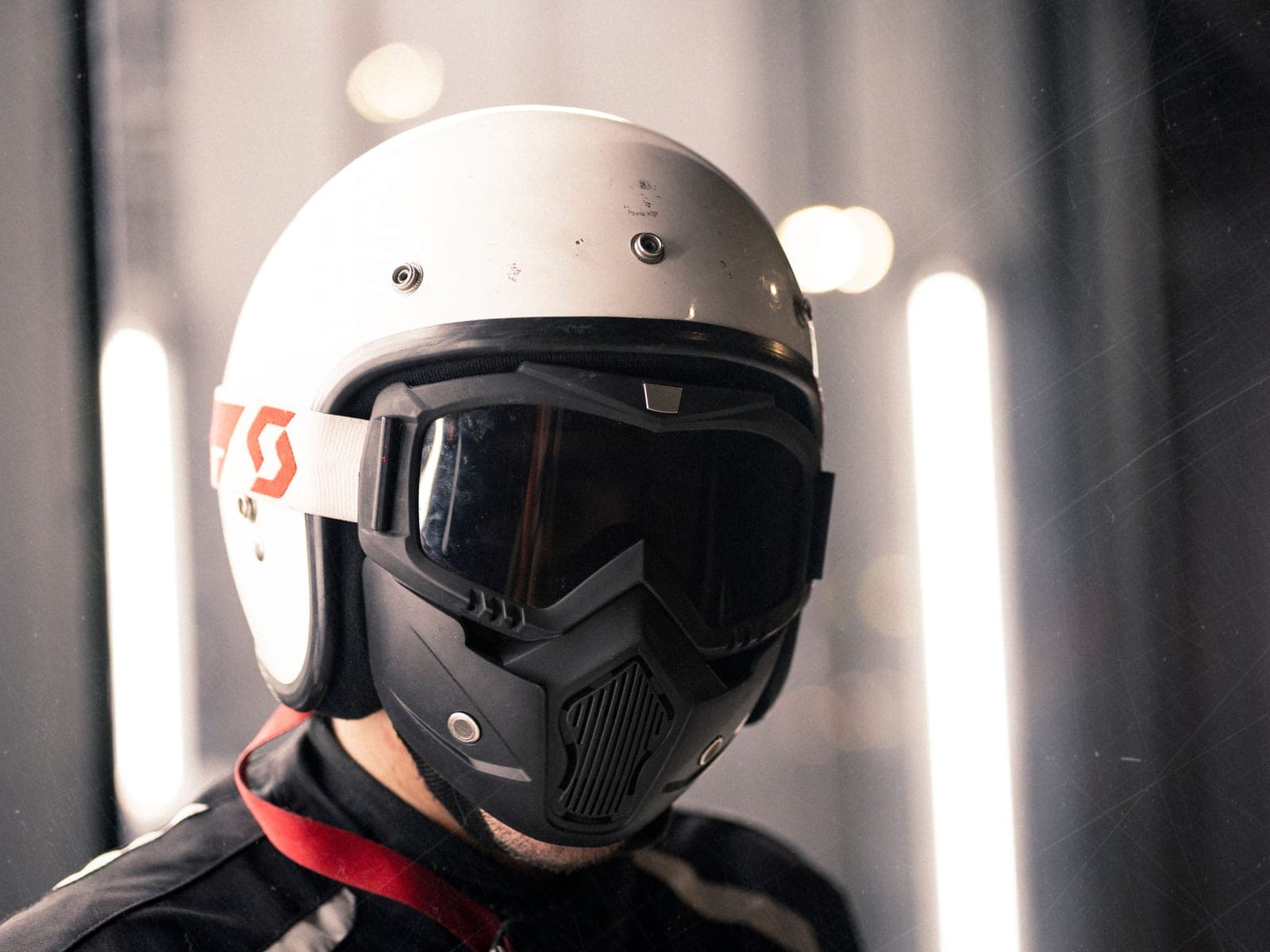
One more honest note: some helmets now build the comms in. A Bluetooth helmetwith an integrated unit means one purchase instead of two and nothing to clamp on—but you give up the ability to swap to a different comms brand later. If you already own a helmet you like, a standalone intercom is almost always the better move. Below, pick the guide or roundup that matches your setup, and every recommendation carries a live price and a buy link on the pick itself.
Everything in Comms
Best Motorcycle Intercoms & Communication Systems
Mesh and Bluetooth intercoms compared on range, group size, battery and audio — the top picks for solo riders and groups.
Our top pick
Cardo Packtalk Edge
Cardo vs Sena: Which Motorcycle Intercom Wins?
The two mesh giants head to head on range, group size, audio and price — and which one is right for how you ride.
Bluetooth vs Mesh Intercoms Explained
What the difference actually means for group rides, and when each one is the right technology to buy.
How to Set Up a Motorcycle Intercom
Mounting, pairing phones, and building a Bluetooth or mesh group that actually stays connected — a plain-English setup walkthrough.
Best Mesh Motorcycle Intercoms
Mesh is the tech that keeps a group connected without re-pairing when riders drop out and rejoin. The top mesh units from Cardo and Sena, compared on range, group size and audio.
Our top pick
Cardo Packtalk Edge
Cardo Packtalk Edge vs Sena 50S
The two flagship mesh intercoms head to head — DMC mesh and JBL against Open Mesh and Harman Kardon — and the one factor that usually decides it for you.
Best Motorcycle Helmet Speakers
Helmet speakers are sold as part of a comms kit, not on their own — so this ranks the kits by what comes out of the speakers. JBL, Harman Kardon and the honest budget option.
Our top pick
Cardo Packtalk Edge
Cardo Intercoms: The Packtalk Lineup Explained
Which Packtalk should you actually buy? DMC mesh, JBL speakers and the Air Mount — what separates the Edge from the Neo, and what you give up to save the money.
Our top pick
Cardo Packtalk Edge
Sena Intercoms: The Lineup Explained
The widest range in motorcycle comms, from a $150 Bluetooth unit to 24-rider Open Mesh — the 50S, 30K and 5S compared, plus the helmet Sena builds its comms into.
Our top pick
Sena 50S
Can Cardo and Sena Talk to Each Other?
Yes — but only over Bluetooth, and you lose the thing you paid for. What Universal Intercom actually gives a mixed group, and how to set it up.