How we ranked these
Certification.Track riding is the one place the difference between a DOT-only lid and a Snell- or ECE-22.06-rated one is most worth having, because you’re operating near the limit and impacts can be severe. Snell’s protocol is stricter than DOT and independently verified; ECE 22.06 adds rotational testing. Several picks here carry one or both, and some tracks require it.
Field of view.You steer with your eyes on track, turning your head to find the apex and the corner exit, so a wide eye port genuinely helps. The AGV K6 S’s 190-degree visor and the HJC RPHA 11 Pro’s enlarged eye port were designed with exactly this in mind.
Ventilation and weight.A track session is physical work, so airflow keeps you cool and the shield clear, and a lighter shell means less neck fatigue by the end of a session — which is why the composite and carbon-blend lids here beat a heavy polycarbonate helmet for the track. Our lightest-helmets ranking goes deeper on weight.
Match the pick to your riding
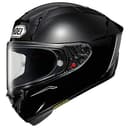
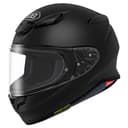
The Shoei X-Fifteenis our overall track pick because it’s built for exactly this: triple-certified (DOT, ECE 22.06 and the race-specific Snell M2025R), wind-tunnel aero tuned for a tucked position, and seven intakes with six exhausts for airflow when you’re working. It’s expensive, and that aero advantage is real only in a committed tuck — our RF-1400 vs X-Fifteen comparison lays out who actually needs it. The Shoei RF-1400is the value flagship: DOT and Snell M2025 in the same AIM+ composite pedigree for less, and a superb all-rounder that’s perfectly capable on track without the race-only aero.
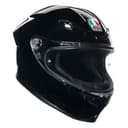
The AGV K6 Sis the lightest here — a carbon-aramid shell at a published 1,255 g with ECE 22.06 and a 190-degree field of view, ideal for the rider who fatigues in a heavier lid and wants maximum vision into corners. The HJC RPHA 11 Prois the value sport pick: a light PIM+ composite shell, an enlarged eye port and tool-less shield swaps at roughly half a flagship’s price — the sensible choice for a rider doing occasional track days who also rides the street. Note it’s certified to the older ECE 22.05, so confirm your track accepts it.
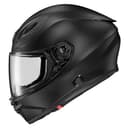
The Scorpion EXO-R430is the budget entry, and it’s here for one strong reason: it carries the current Snell M2025for well under $200, so a rider on a tight budget can meet a Snell tech requirement without spending flagship money. It’s a heavier polycarbonate shell, so it’s more tiring over a session than the composite lids — the honest cost of the price — but the certification is genuinely top-tier.
What track days demand beyond the helmet
A helmet is one part of track kit. Most organizations require full leathers (or an approved textile suit), gauntlet gloves and over-the-ankle boots, and a back protector — check your specific track’s tech sheet before you go. For the helmet itself, fit is even more critical on track than on the street: a helmet that shifts under airflow at speed is distracting and less protective, so get the size and head shaperight, and fit a clear Pinlock or anti-fog insert so a hard-working session doesn’t fog the visor at the worst moment.