Riding Gear
Jackets, gloves, boots, riding pants, airbag vests and armored base layers compared on material, CE armor and weatherproofing — the protection that goes on under the helmet.
The helmet gets all the attention, but a crash rarely lands only on your head. Your hands go out to break the fall, your shoulders and elbows hit first, your ankles roll, and your skin meets the road at whatever speed you were doing. Riding gear—a proper jacket, gloves and boots—is the layer that decides whether a low-side is a bad day or a hospital stay. The good news is that the protection now comes built in to gear you’d actually want to wear: CE-rated armor at the impact points, abrasion-resistant shells, and weatherproofing that means you don’t have to choose between staying dry and staying protected.
What “CE armor” and the ratings actually mean
The single most useful thing to understand before you buy is CE certification, because it is the one objective protection standard on the spec sheet. Two European norms cover most road gear. EN 1621rates the armor—the hard or foam protectors at the shoulders, elbows, hips, knees and back. Level 1 armor passes a lower impact-transmission threshold; Level 2 transmits less force and is the higher rating. EN 17092rates the whole garment for abrasion, tear and seam strength, from Class A (the lowest street rating) up through AAA (the highest). When a jacket says “CE Level 1 shoulder and elbow armor, EN 17092 Class A shell,” that is a real, checkable claim—and when a maker doesn’t state the level, we write “Not published” instead of assuming. Our ATGATT guide explains the armor levels in plain English and why the back protector is the piece most people forget to buy.
Jackets: match the gear to the weather you ride in
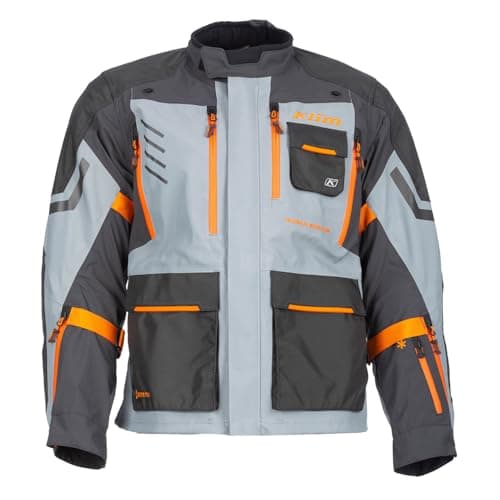
There is no single “best” jacket, only the best jacket for your climate. A mesh jacket flows air for hot-weather riding but offers no rain protection. A waterproof laminatetouring jacket keeps you dry through a downpour and, with a zip-out thermal liner, stretches across three seasons—at the cost of being warmer in peak summer. A leather jacket is the abrasion benchmark but is heavy and hot. Our best motorcycle jackets roundup splits the picks by climate so you buy for how you actually ride, not for a photo. Sportbike riders have a narrower problem—a slide at road speed, on the shoulder first—so our sport jacket roundup ranks leather and ventilated textile picks on the EN 17092 class each maker publishes and on which airbag fits underneath.
Gloves and boots: the parts people cheap out on
Gloves are the most-used and most-skipped piece of gear. Your hands instinctively brace in a fall, so a hard knuckle protector, a leather or reinforced palm, and—on a full sport glove—a gauntlet cuff that covers the wrist are worth having. Touchscreen fingertips are what make a good glove something you’ll actually wear every ride. Our gloves roundupcompares sport, summer and urban options on CE level and cuff length. If you ride long days, the glove you want is a different animal again — our touring gloves roundup ranks six waterproof, barely-insulated picks on the EN 13594 clause each maker prints and on how the membrane is built, and our winter gloves roundupcovers the cold end. For the track, the list is shorter and stricter — our racing gloves roundup ranks six full gauntlets on the palm slider, the finger bridge and whether the maker printed an EN 13594 clause at all.
Boots protect the ankle—a joint that rolls and crushes easily and heals slowly. A good riding boot adds a TPU ankle brace, a reinforced heel and toe, and a sole that won’t deform, while still being walkable enough that you’ll wear it off the bike. Our boots roundup ranks sport-touring and short sport boots on protection and how comfortable they actually are on foot.
Riding pants: the piece almost everyone skips
Ordinary jeans are not riding gear. They carry no abrasion certification, no armor and no seam construction rated to survive a slide—which is why the lower half is the most common gap in an otherwise complete setup. A certified riding pant fixes all three, and it has the clearest label in the whole gear category: an EN 17092 class of A, AA or AAA telling you how the garment itself tested. Modern riding jeans now reach AA with knee and hip armor already fitted; a waterproof laminate pant trades a class of abrasion for all-season weather protection; leather is still the abrasion benchmark for fast riding; and a mesh overpant pulls on over normal clothes for summer. Our best motorcycle riding pants and Kevlar jeans roundup ranks all four types on abrasion class first, then on which CE armor is actually in the box.
Airbag vests: the only gear that acts during the crash
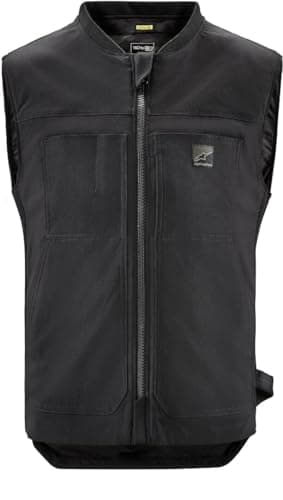
Everything above is passive protection: it is tough, and how much it helps depends on how you land. An airbag vest is the one piece that does something at the moment of impact, inflating around the chest, back and neck in roughly a tenth of a second. It is also the category where makers publish the least. There is a single European standard, EN 1621-4, and it sets a force limit rather than a badge—4.5 kN transmitted for Level 1, 2.5 kN for Level 2—yet several vests on sale never state their level at all. The other fork is how the bag fires: an electronic system reads the crash with its own sensors and works whether or not you leave the bike, while a tethered system uses a lanyard clipped to the machine, needs no battery and costs less to re-arm. Our best motorcycle airbag vests roundup ranks both types on the certification each maker actually publishes, then on what the bag covers and what a deployment costs you.
Armored base layers: impact protection, not abrasion protection
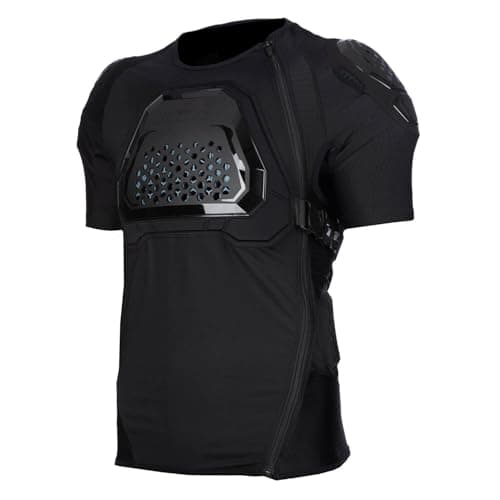
The layer under the jacket is the cheapest way to fix the gap almost every gear setup has: a jacket that shipped with shoulder and elbow pads and an empty pocket where the back protector should be. An armored base layer—a shirt, protection jacket or vest with certified pads fitted—fills it, and doubles as something wearable on days too hot for a jacket. It comes with one caveat worth stating plainly, because most listings do not: armor protects against impact and does nothing for abrasion. EN 17092’s lightest class, Class C, exists for exactly this kind of garment and carries no abrasion requirement at all—it is defined as a layer to wear with a jacket, not instead of one. Our best motorcycle armored base layers roundup ranks armored shirts, protection jackets and vests on the EN 1621 clause each maker publishes for every pad, then on the zones actually covered, then on whether the garment carries a class at all.
How we compare gear
Every piece is judged on the same things: its material (leather, textile, laminate, or mesh), its armor(which protectors are included and to what CE level), whether it’s waterproof, and a live price. We don’t claim to have crash-tested anything—nobody honest has—so we compare on the published certifications and construction, and we say plainly where the cheaper option is the smarter buy. If you’re starting from nothing, the first-gear checklist is the place to begin; it builds a full head-to-toe setup one piece at a time.
Two pages below answer a question rather than rank a shelf. Our beginner glove ranking sorts a first pair on the printed EN 13594 clause and whether the pair survives a whole first season, which puts it in a different order from the general glove roundup. And our airbag vest vs back protector comparison explains why the levels under those two standards are not a common currency — the mistake almost every version of that argument makes.
Everything in Gear
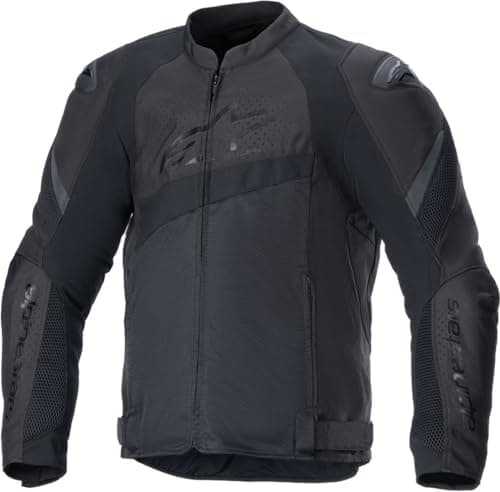
Best Motorcycle Jackets
Mesh, waterproof and three-season jackets compared on armor and airflow — with a pick for every climate.
Our top pick
Alpinestars T-GP Plus R V4 Airflow
$319.95 · View on AmazonPrice as of October 18, 2026. #ad How we’re funded
Best All-Season Motorcycle Jackets
Three-season waterproof jackets ranked on their EN 17092 garment class, the armor actually in the box, where the waterproof membrane sits, and how far the liner and vents stretch the temperature range.
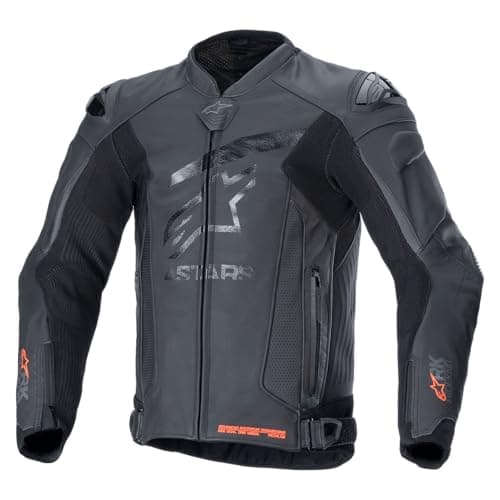
Best Sport Motorcycle Jackets
Sportbike jackets — leather and ventilated textile — ranked on the EN 17092 garment class each maker publishes, then on the CE armor actually in the box and which airbag system fits underneath.
Our top pick
Alpinestars GP Plus R V4 Rideknit Leather
$690.00 · View on AmazonPrice as of October 18, 2026. #ad How we’re funded
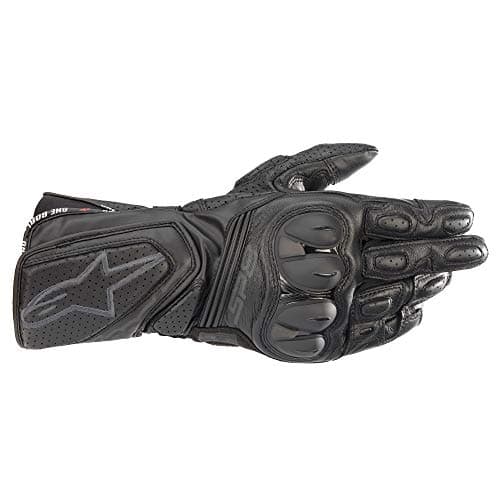
Best Motorcycle Gloves
Sport, summer and urban gloves compared on CE armor, cuff length and touchscreen use.
Our top pick
Alpinestars SP-8 V3
$124.95 · View on AmazonPrice as of October 18, 2026. #ad How we’re funded
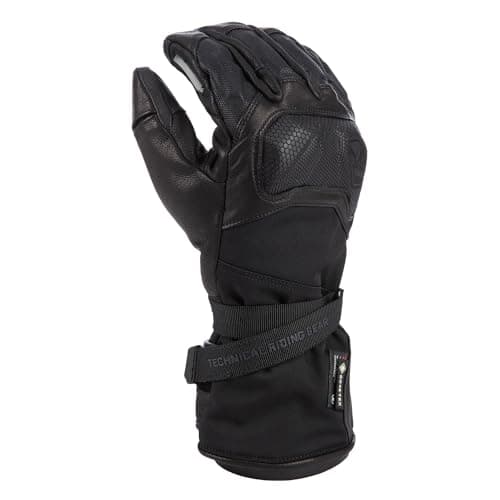
Best Winter Motorcycle Gloves
Cold-weather gloves ranked on the EN 13594 level and KP mark each maker prints, how the waterproof membrane is built, and the insulation actually published in grams — plus the honest case for heated gloves.
Our top pick
Klim Badlands GTX Long
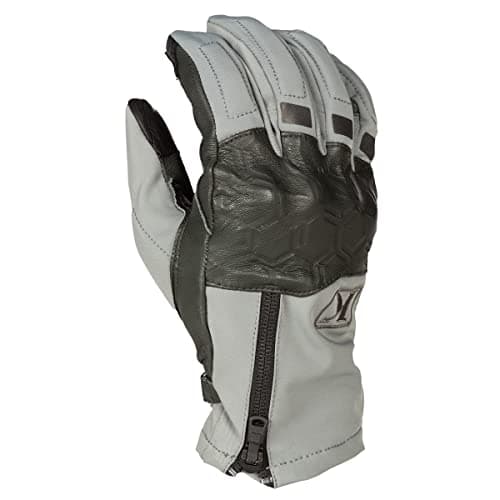
Best Touring Motorcycle Gloves
The glove a tourer wears for most of the year — waterproof, barely insulated, comfortable for a twelve-hour day. Six ranked on the EN 13594 clause each maker prints, then on how the membrane is built and the temperature band it is designed for.
Our top pick
Klim Vanguard GTX Short
$169.99 · View on AmazonPrice as of October 18, 2026. #ad How we’re funded
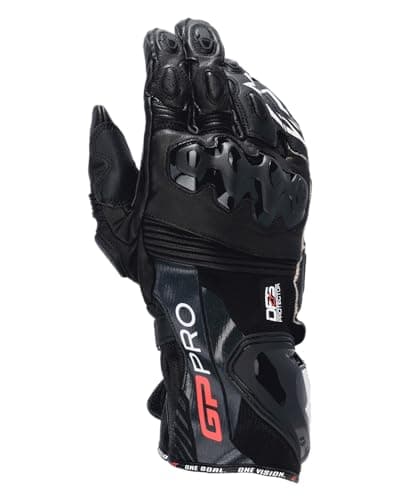
Best Motorcycle Racing Gloves
Full-gauntlet track gloves ranked on the four things that actually define a race glove — the EN 13594 clause the maker prints, the palm slider, the finger bridge and what the palm is made of — not on how fast they look.
Our top pick
Alpinestars GP Pro R4
$325.00 · View on AmazonPrice as of October 18, 2026. #ad How we’re funded
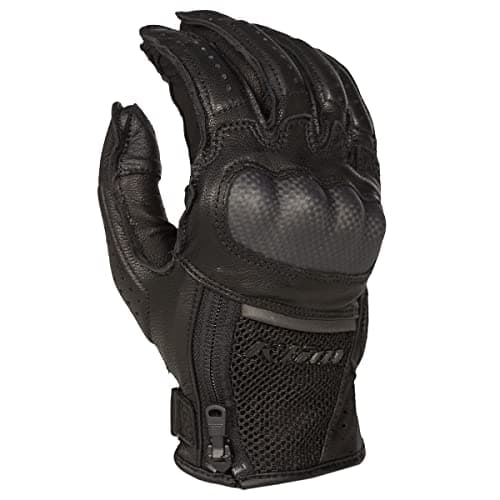
Best Summer Motorcycle Gloves
Vented and perforated gloves ranked on how the airflow is actually built — mesh panel, mapped perforation or nothing — then on the EN 13594 clause the maker prints. Short cuff and gauntlet both.
Our top pick
Klim Induction
$149.99 · View on AmazonPrice as of October 18, 2026. #ad How we’re funded
Best Waterproof Motorcycle Gear
A head-to-toe wet-weather kit from one registry: the jacket, pant and gloves whose makers publish a membrane — plus the honest gap, because not one boot we list is waterproof.
Track Day Gear: What You Actually Need
The kit a tech inspector looks for, piece by piece, with a published certification behind every pick — helmet, leathers, gauntlet gloves and boots, and what the sheets never agree on.
Our top pick
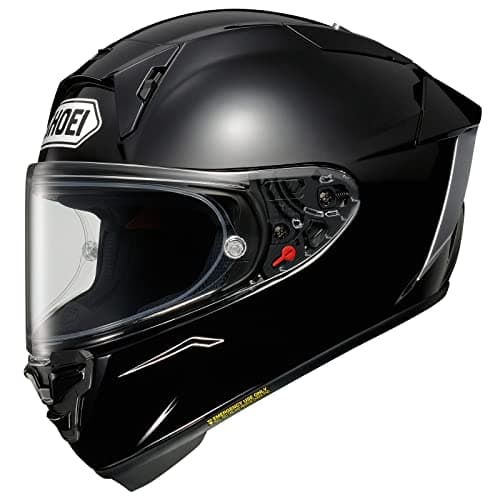
Shoei X-Fifteen
$979.99 · View on AmazonPrice as of October 18, 2026. #ad How we’re funded
Best Motorcycle Boots
Sport-touring and short sport boots compared on TPU protection, CE rating and how walkable they actually are.
Our top pick
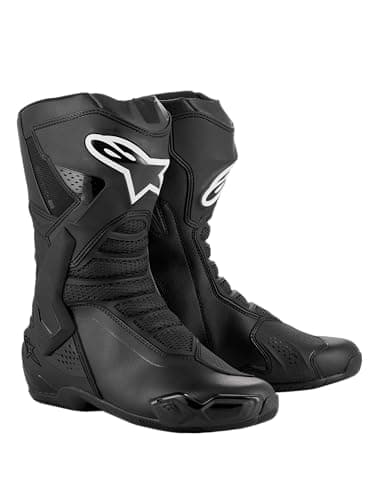
Alpinestars SMX-6 V3
$349.95 · View on AmazonPrice as of October 18, 2026. #ad How we’re funded
Best Motorcycle Riding Pants & Kevlar Jeans
Riding jeans, waterproof touring pants, leather and mesh overpants ranked on their EN 17092 abrasion class and the CE armor actually included.
Our top pick
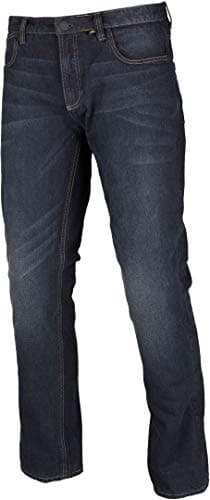
Klim K Fifty 2
$299.99 · View on AmazonPrice as of October 18, 2026. #ad How we’re funded
Best Motorcycle Airbag Vests
Electronic and tethered airbag vests ranked on the EN 1621-4 certification each maker actually publishes, then on what the bag covers and what a deployment costs you.
Our top pick
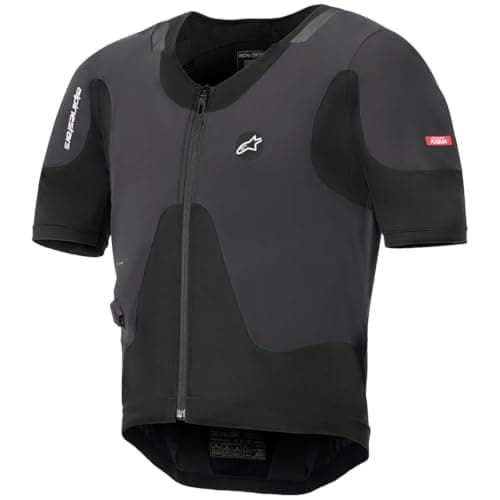
Alpinestars Tech-Air 5 Plasma
$869.95 · View on AmazonPrice as of October 18, 2026. #ad How we’re funded
Best Motorcycle Armored Base Layers
Armored shirts, protection jackets and vests ranked on the EN 1621 clause each maker publishes for each pad, then on the zones covered and whether the garment itself carries an EN 17092 class.
Our top pick
Klim Tactical Pro Armored Shirt
$259.99 · View on AmazonPrice as of October 18, 2026. #ad How we’re funded
Leather vs Textile Motorcycle Gear
The oldest argument in riding gear, settled on the certification both materials now carry — because a mesh textile jacket in this registry holds the same EN 17092 Class AA as the leather above it, for roughly half the money.
Best Motorcycle Gloves for Beginners
A first pair of gloves ranked on the one thing that matters before style — the EN 13594 clause the maker actually prints — then on whether the pair survives a whole first season rather than one hot month.
Our top pick
Alpinestars SP-8 V3
$124.95 · View on AmazonPrice as of October 18, 2026. #ad How we’re funded
Airbag Vest vs Back Protector
Two answers to the same problem, certified under two different standards that cannot be compared directly. What EN 1621-4 and EN 1621-2 each measure, what an airbag covers that a pad cannot, and which one to buy first.
Our top pick
Alpinestars Tech-Air 3 V2 Canvas
$699.95 · View on AmazonPrice as of October 18, 2026. #ad How we’re funded