How to choose a modular helmet
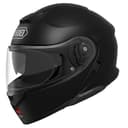
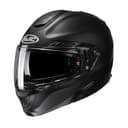
Shell material is the big divider.Most modulars use polycarbonate, which is heavier; the premium ones (the Neotec 3, the HJC RPHA 91) use a composite shell that shaves real weight off a helmet type that’s already heavier than a full-face. On a touring day, that weight difference is what your neck feels at hour six.
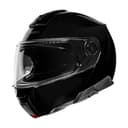
Decide how you want comms. There are two routes. A helmet with built-inBluetooth like the Sena Outrush R means one purchase and nothing to clamp on—but you can’t swap comms brands later. A comms-readyhelmet (the Neotec 3 with Shoei’s SRL3, the RPHA 91 with HJC’s SMART unit) has a purpose-built channel for that brand’s module, which is cleaner than a universal clamp-on but ties you to that ecosystem. Schuberthtakes that route furthest — the speakers and the Mesh, FM and Bluetooth antennas are laid into the C5’s shell at the factory, so only the unit itself is a purchase — and our Schuberth C5 review covers what that unit costs and why the helmet does nothing on comms until you buy one. If you want total freedom, buy any modular and add a standalone intercom.
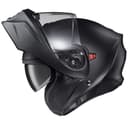
A sun visor is nearly universal here—use it.Almost every modular includes a drop-down internal sun visor, which is one of the best convenience features in motorcycling. The Scorpion EXO-GT930 goes further with a genuinely removable chin bar, so it runs as a full-face or a true open-face—two helmets in one for the money.
Published weight and noise, side by side
Weight and wind noise are the two complaints riders have about modulars, so here is every figure the five makers actually publish. The weight column is each maker’s or retailer’s own number and the reference size is often unstated, so treat gaps under about 100 g as noise rather than signal. The noise column is the interesting one: four of these five companies publish nothing at all.
| Helmet | Published weight | Shell | Published noise figure |
|---|
| Shoei Neotec 3 | 1,700 g (Shoei, size not stated) | AIM composite | None published |
|---|
| Schuberth C5 | 1,780–1,910 g by size (Schuberth) | DFP fiberglass with basalt | 85 dB(A) at 62 mph, maker’s own wind tunnel |
|---|
| HJC RPHA 91 | ~1,742 g (3.84 lb, RevZilla) | P.I.M. EVO composite | None published |
|---|
| Sena Outrush R | 1,730 g in size M (Sena) | Polycarbonate ABS | None published |
|---|
| Scorpion EXO-GT930 | ~1,814 g (4.0 lb, RevZilla) | Advanced polycarbonate | None published |
|---|
That single Schuberth figure is worth reading carefully rather than trusting. It is the maker’s own wind-tunnel measurement, taken on a naked bike, and there is no independent body that verifies helmet noise and no standard protocol the others run — so it cannot be compared against four blanks. It tells you Schuberth treats aeroacoustics as an engineering target, and nothing more than that. Our quietest helmets ranking explains how we judge quiet without a decibel meter, and how to reduce wind noise makes the point that outranks every helmet on this page: earplugs cut more noise than the difference between any two of these.