New Riders
What to buy first, how much to spend, and the head-to-toe ATGATT setup — the sane starting point for a new rider's gear.
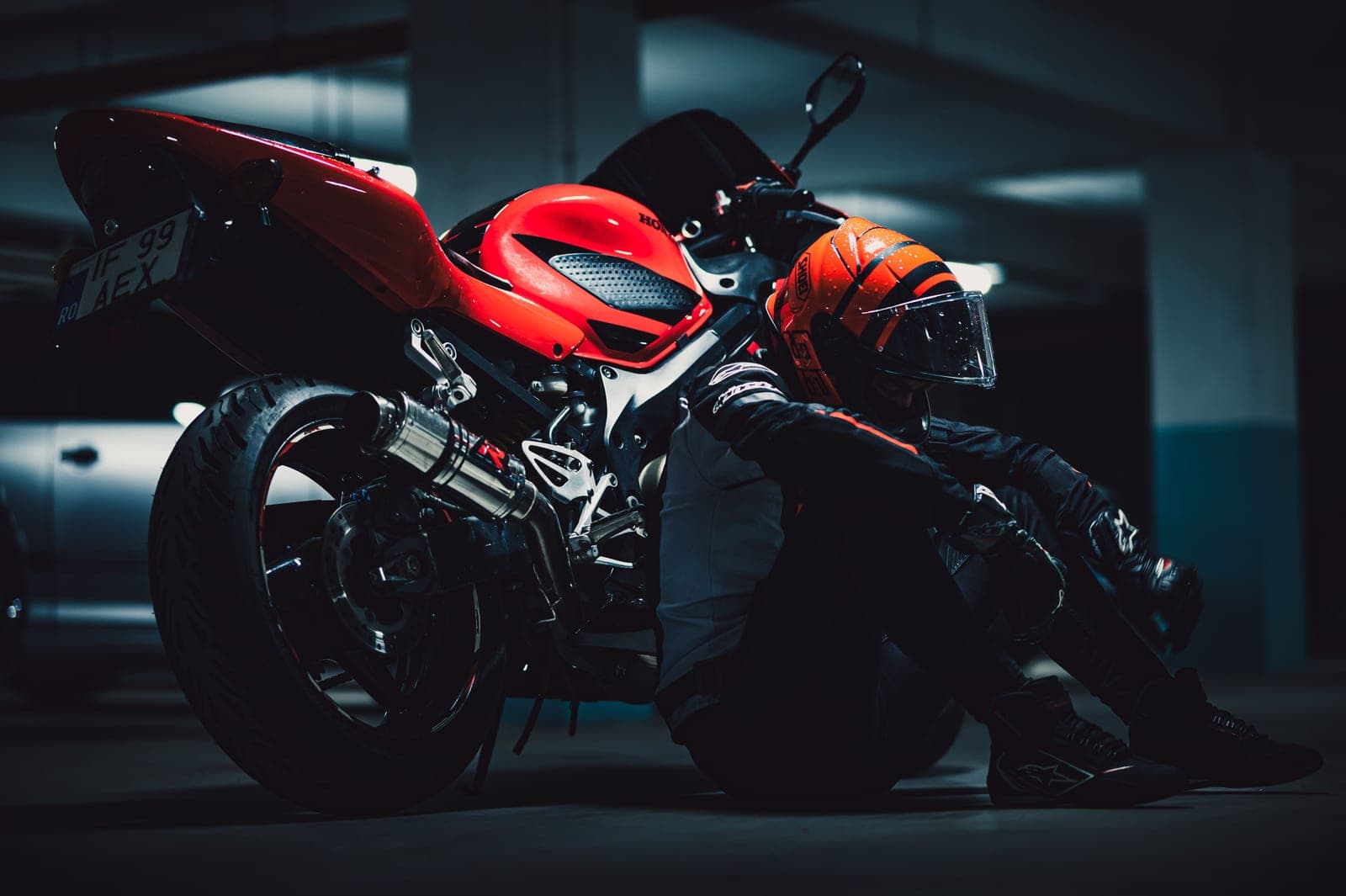
The most dangerous moment in a new rider’s gear journey is the one right after buying the bike, when the budget is spent and the temptation is to ride in a hoodie “just around the block.” That is exactly when crashes happen—low speed, close to home, still learning the controls—and it’s exactly when road rash and a broken wrist are avoidable. This section exists to get you geared up sensibly and affordably, without the two failure modes new riders fall into: spending nothing, or spending a fortune on the wrong things.
Buy in this order
If money is tight—and after buying a bike, it usually is—buy in order of how much each piece protects and how often you’ll use it. A helmetis non-negotiable and comes first; it protects the one part of you that doesn’t heal. Gloves are second, because your hands hit the ground in almost every fall and they’re cheap to protect. A jacket with back, shoulder and elbow armor is third. Boots that cover and brace the ankle are fourth. Riding pantsor armored jeans round it out. You do not have to buy all of it at once—but you should ride within the limits of what you’re wearing until you do. Our first-gear ATGATT checklist lays the whole list out head to toe with a specific pick for each piece.
How much should a beginner actually spend?
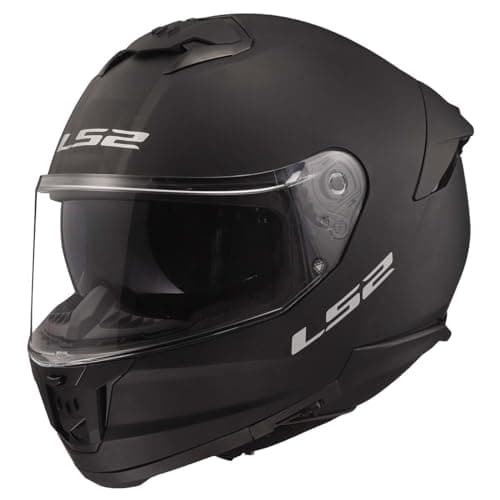
Less than the forums will tell you. A new rider does not need a $600 flagship helmet or a $500 race suit. A good beginner helmet with current certification and a comfortable fit can be had for a fraction of that, and the protection standard it’s tested to is the same one the flagship meets. The premium money buys lower weight, less wind noise and nicer materials—real benefits, but not safety you can’t get cheaper. Our budget gear setupshows a complete head-to-toe kit that protects properly without draining the account, and explains where it’s worth spending more and where it genuinely isn’t.
The helmet is the piece to get right
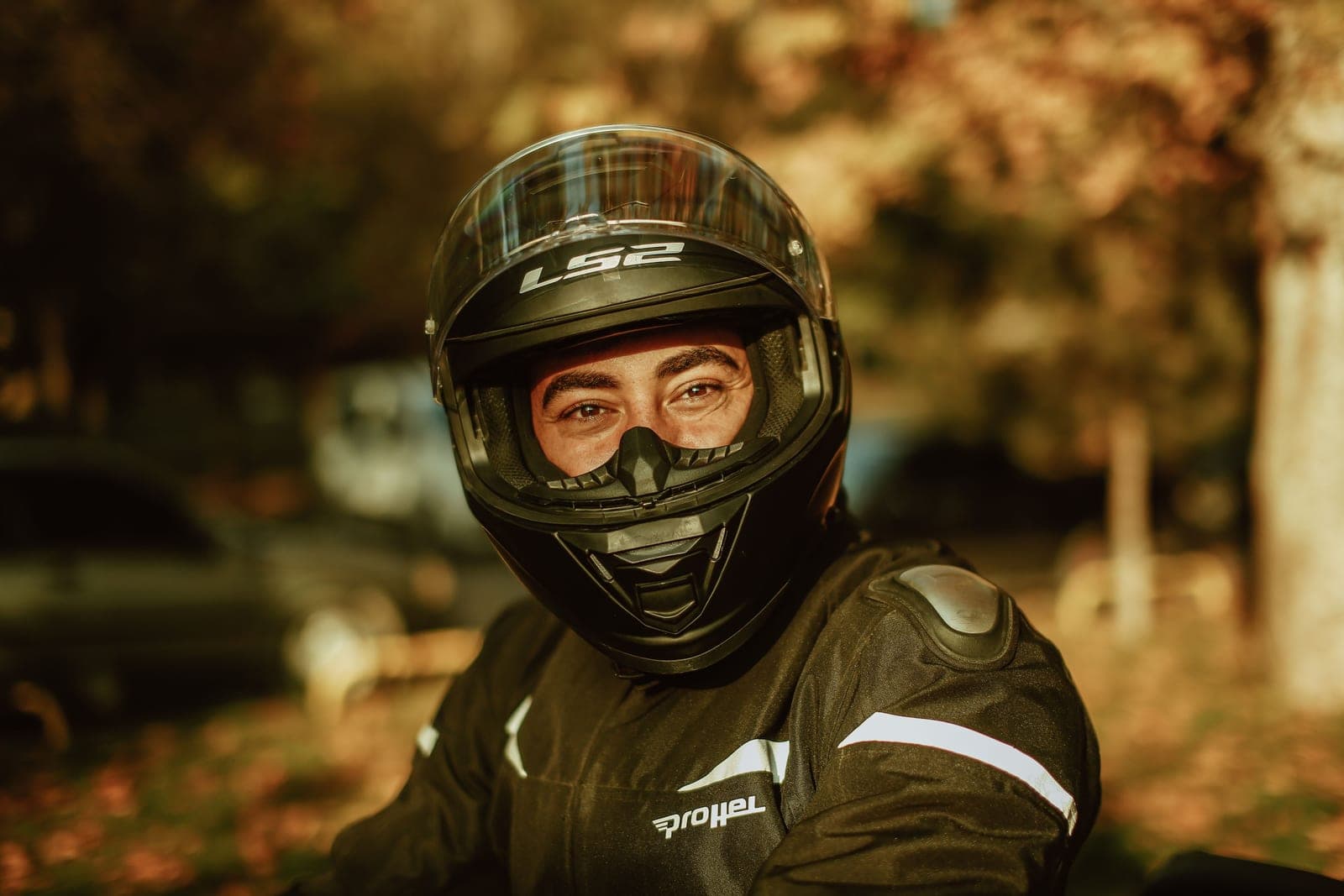
Everything else you can upgrade later; a helmet you can’t. Two things decide a good first helmet: certification (it must at least meet DOT, and ECE 22.06 or Snell is better) and fit(the best-rated helmet in the world does nothing if it doesn’t match your head shape). Fit beats brand every time. Our starter helmet guidewalks through type, certification, head shape and sizing so you order the right helmet the first time—and the sizing guide shows you how to measure and read your head shape.
What ATGATT means and why it matters
You’ll see the acronym everywhere: ATGATT, All The Gear, All The Time. It’s the simple discipline of wearing full protective gear on every ride, not just the long ones—because the short trip to the store at 25 mph is statistically where a lot of crashes happen, and 25 mph is plenty fast enough to take skin off. It doesn’t mean you need the most expensive kit; it means the kit you own goes on every time. Our full ATGATT explainer covers the philosophy and the CE armor levels behind it.
Below are the guides that take you from “I just bought a bike” to “I’m properly geared up.” Each one ends at a specific, currently-sold product with a live price—no vague “get a good jacket” hand-waving. Start with the first-gear checklist and work through it at whatever pace your budget allows.
Everything in Beginners
Your First Motorcycle Gear: The ATGATT Checklist
The head-to-toe list of what a new rider actually needs — helmet, jacket, gloves, boots — with a pick for each.
How to Choose Your First Motorcycle Helmet
Certification, fit, head shape and type — how to pick a first helmet without overthinking or overspending.
A Complete Beginner Gear Setup on a Budget
A full head-to-toe setup that protects properly without breaking the bank — the specific picks and why.
How Much Should You Spend on Motorcycle Gear?
Real numbers instead of a shrug: what a legal-and-safe head-to-toe setup actually costs at three budget levels, which piece deserves the money first, and where spending more stops buying protection.