Helmet Brands
The major helmet makers, their design philosophies and their lineups — so you know what a Shoei, Arai, Bell or HJC actually stands for.
“Which brand is best?” is the wrong question, but it’s the one everyone asks first—so let’s answer the useful version of it. Helmet brands aren’t interchangeable badges; each one has a design philosophy, a house head shape, a price bracket it competes in, and things it’s genuinely good at. Knowing what a maker stands for tells you whether its helmets are likely to fit your head and suit your riding before you ever try one on. These brand pages give you that context, then point you to the specific models worth your attention.
The Japanese benchmarks: Shoei and Arai
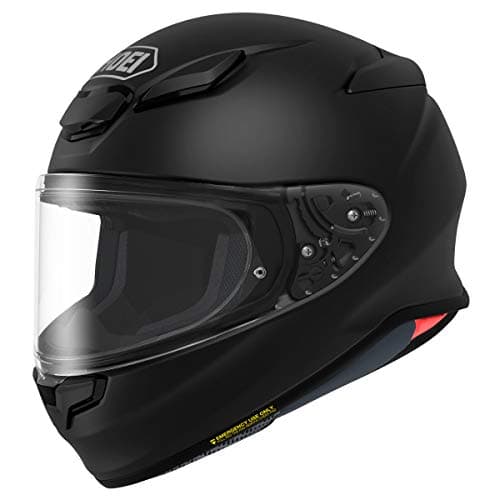
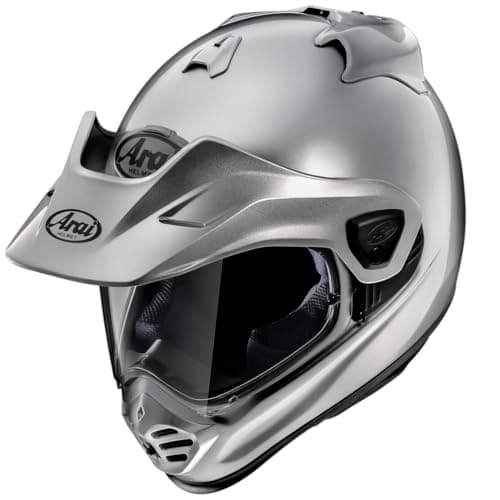
Shoei and Araiare the two names that set the standard the rest of the industry measures itself against, and they get there differently. Shoei builds hand-laid composite shells with an obsessive focus on aerodynamics and wind noise—the Shoei lineup(the RF-1400 full-face, the Neotec 3 touring modular, the X-Fifteen race lid) is what people mean when they say “quiet, refined and expensive.” Arai takes a more singular position: a rounder, smoother shell designed to glance off impacts rather than catch on them, with a philosophy that resists gimmicks. Our Arai overview explains the round-shell approach and where the XD-5 adventure helmet fits. Both are premium; both earn it on construction, not badge.
The value innovators: Bell and HJC
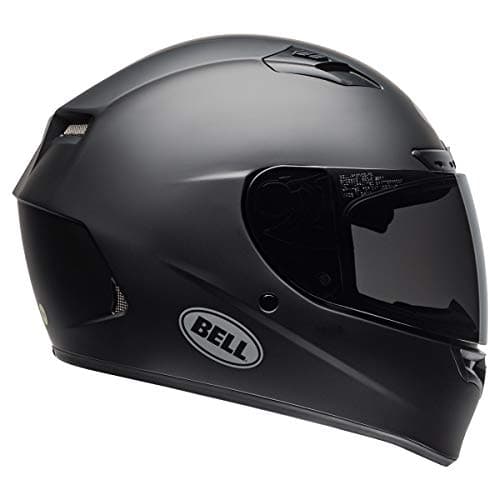
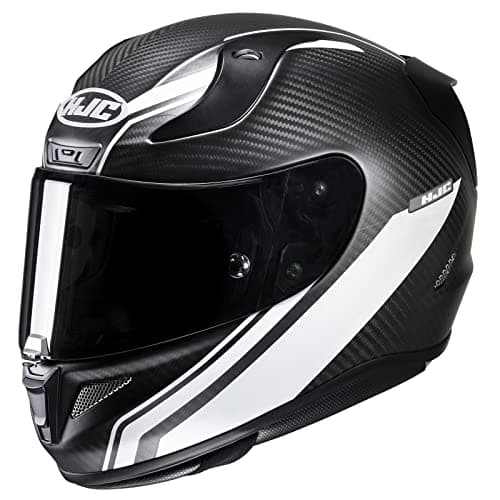
You don’t have to spend flagship money to get modern safety tech, and two brands prove it. Bell, the American maker, has a habit of putting features usually reserved for pricier helmets—MIPS rotational protection, self-tinting photochromic shields—into genuinely affordable lids like the Qualifier and the MX-9 Adventure. Our Bell overview covers the lineup and what MIPS actually does. HJCis the value-composite specialist—its RPHA line delivers carbon-blend shells and race-ready features at close to half a flagship’s price. The HJC overview breaks down the RPHA 11 sport lid and the RPHA 91 touring modular, and where the value actually lands.
Beyond the four: the rest of the field
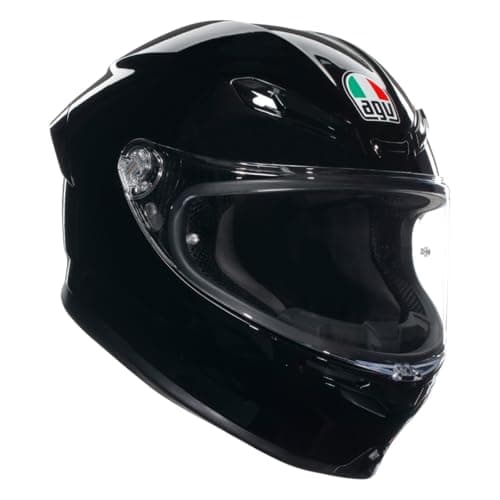
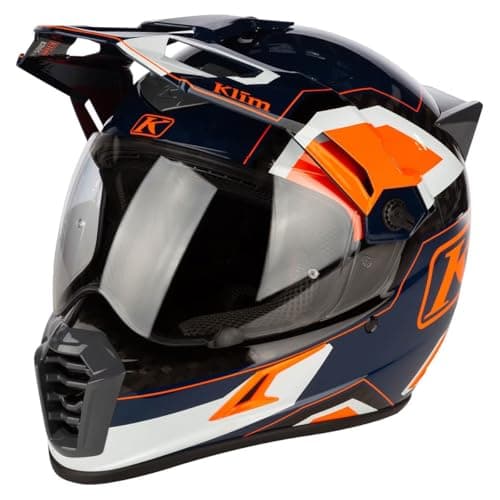
The brand pages above are the ones with the deepest presence in our current picks, but they’re not the whole market. AGV builds some of the lightest ECE 22.06 full-faces going—the K6 S is a carbon-aramid featherweight with a genuinely wide field of view. Scorpion is the value-features brand, packing removable chin bars, drop-down sun visors and comms-ready ports into helmets under $300. Klimowns the premium adventure end with the carbon Krios Pro, and publishes more of its own certification clauses than any other maker we track—across gear as well as helmets. Sena and Cardoaren’t helmet makers at all—they’re the two communicationbrands—though Sena does build helmets with its own comms integrated, and their lineups get their own guides under Comms (Cardo and Sena). Each of those shows up across our roundups and reviews where it earns a place.
How to actually use a brand page
Read a brand page for the philosophy and the shortlist, not as a reason to buy blind. A brand being excellent doesn’t mean its shell shape fits your head—an Arai is a superb helmet and completely wrong for a long-oval head, for instance. Use these pages to narrow the field, then let fit and the certification you want make the final call. Every model we name links to its full review or the roundup it competes in, with a live price on the pick. Loyalty is fine; a helmet that actually fits is better.
Everything in Brands
Shoei Helmets: Lineup and Best Models
Japan's benchmark maker — the RF-1400, X-Fifteen, Neotec 3 and Hornet X2, and where each fits.
Arai Helmets: Lineup and Design Philosophy
The round-shell, glancing-impact philosophy — and where the XD-5 fits for adventure riders.
Bell Helmets: Lineup and Best Models
The American maker that puts MIPS and photochromic shields into budget helmets — the Qualifier and MX-9.
Our top pick
Bell Qualifier DLX MIPS
$228.99 · View on AmazonPrice as of October 18, 2026. #ad How we’re funded
HJC Helmets: Lineup and Best Models
The value-composite specialist — the RPHA 11 sport lid and RPHA 91 touring modular.
Our top pick
HJC RPHA 11 Pro
$323.90 · View on AmazonPrice as of October 18, 2026. #ad How we’re funded
AGV Helmets: Lineup and Design Philosophy
The Italian racing house that chases weight and field of view — carbon-aramid shells, ECE 22.06 and the 190-degree eye port on the K6 S.
Scorpion Helmets: Lineup and Best Models
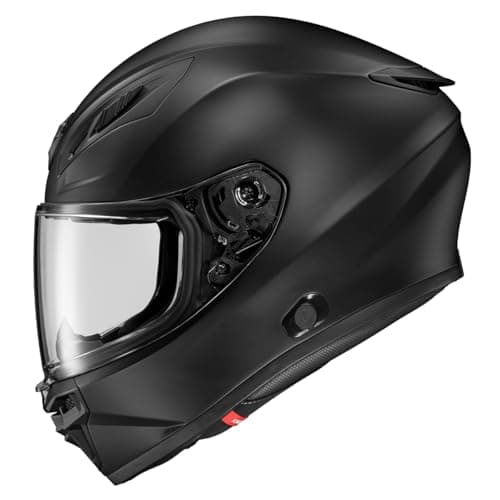
The features-per-dollar brand — Snell ratings, removable chin bars, drop-down sun visors and comms-ready ports in helmets that mostly stay under $350.
Our top pick
Scorpion EXO-R430
$184.95 · View on AmazonPrice as of October 18, 2026. #ad How we’re funded
Schuberth Helmets: Lineup and Best Models
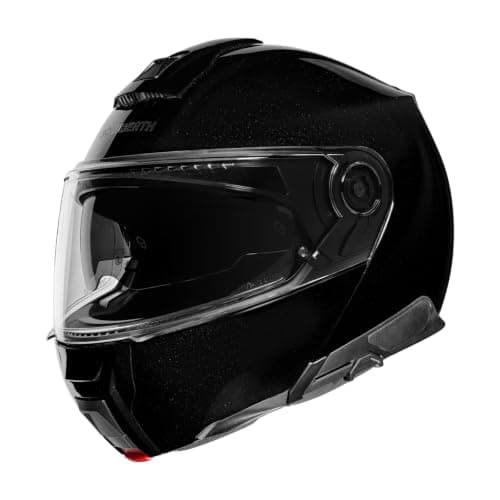
The German acoustics-and-integration brand — the C5 modular, S3 full-face and E2 adventure, with comms antennas built into the shell.
Klim Gear and Helmets: Is It Worth the Money?
The American adventure-gear maker that publishes more of its own certification clauses than anyone else we track — the Krios Pro carbon helmet, GORE-TEX jackets and gloves, and the AA riding jean.
Our top pick
Klim Krios Pro
$599.74 · View on AmazonPrice as of October 18, 2026. #ad How we’re funded