Your First Motorcycle Gear: The ATGATT Checklist
The complete head-to-toe list of what a new rider actually needs — in the order to buy it, with a specific, currently-sold pick for each piece. No vague 'get a good jacket.'
How this is funded: we earn a commission if you buy through our links, at no extra cost to you. It never changes which helmet we recommend, and we’ll tell you plainly when a cheaper or lighter one is the better buy. Full disclosure.
“Get good gear” is useless advice to a new rider standing in a shop. This is the specific version: the five pieces you need, in the order to buy them, with a real pick for each—no hand-waving. It follows the ATGATT principle (All The Gear, All The Time), because the gear only protects you on the rides you actually wear it.
1. Helmet — buy this first
The helmet protects the one part of you that doesn’t heal, so it comes first and you don’t cut corners on certification. You do notneed a flagship—a certified budget helmet passes the same DOT tests as an expensive one. Our top beginner pick is the Bell Qualifier DLX MIPS, which adds MIPS rotational protection and a self-tinting shield at a budget price. See the full beginner helmet ranking for alternatives, and get the fit right—it matters more than which helmet you pick.
2. Gloves — cheap protection you’ll use constantly
Your hands shoot out to break a fall automatically, so they’re among the most likely parts of you to hit the road—and gloves are cheap. Look for a hard knuckle, an abrasion-resistant palm, and touchscreen fingertips so you’ll actually keep them on. A versatile all-rounder like the Alpinestars SP-8 V3 covers most riding; the gloves roundup has summer and urban options too.
3. Jacket — armor for your torso
A riding jacket does two jobs: abrasion resistance and CE armor at the shoulders, elbows and (ideally) back. Match it to your climate—mesh for heat, waterproof for rain, three-season for everything. See the jackets roundup for a pick in each lane, and remember the back protector is often a separate purchase worth budgeting for.
4. Boots — protect the ankle
The ankle rolls and crushes easily and heals slowly, and sneakers offer nothing against it. A real riding boot adds a TPU ankle brace and a reinforced heel and toe while staying walkable. The boots roundup has a sport-touring and a short sport pick.
5. Riding pants — the lower half
The piece most new riders add last: abrasion protection and hip/knee armor for your legs, from armored jeans to full textile pants. Jeans alone offer almost no abrasion protection in a slide, so this is a real gap worth closing once the first four pieces are covered. The riding pants and Kevlar jeans roundup ranks certified jeans, waterproof touring pants, leather and mesh overpants on their EN 17092 abrasion class and the armor actually included.
The order matters more than the budget
You don’t have to buy all five at once. Buy in this order, and ride within the limits of what you’re currently wearing until the set is complete. A great helmet with bare hands is a worse setup than a good helmet with gloves. If money is tight, our budget gear setup assembles the whole kit for the least money protection allows.
The small stuff nobody puts on the checklist
None of this replaces a single item above — the five pieces come first, in that order. But these are the cheap add-ons riders end up buying in month two anyway, once the helmet has fogged, roared and started to smell.
We haven’t tested these any more than we’ve tested the helmets — they’re here because they solve the problem this page is about, and they’re cheap enough to be worth saying so. Prices are live and dated on each button.
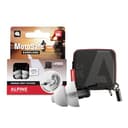
Alpine MotoSafe Tour earplugs
Wind noise — the fix that does more than a quieter helmet does
Filtered riding plugs rather than foam: the point is to cut the wind roar without deleting the engine, your intercom and the traffic around you. This is Alpine's road/touring filter rather than the Race version, which is the right way round for all-day riding.
Pinlock anti-fog insert
A visor that grays over at every stoplight
The one fix that solves fogging rather than delaying it — a second lens that seals inside the shield like double glazing. Inserts are made per shield, so this link is a search: check your visor for the two small Pinlock pins, then match the insert to your exact helmet and shield model.
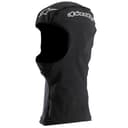
Alpinestars open-face balaclava
A liner that gets sweaty far faster than you'll wash it
A thin layer between your head and the padding. The liner stays cleaner for longer, the helmet slides on more easily, and it takes the edge off a cold start — from the same maker as the gloves and jacket at the top of our gear rankings.
$34.68 · View on AmazonPrice as of September 19, 2026. #ad How we’re funded
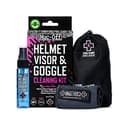
Muc-Off visor, lens & goggle cleaning kit
Baked-on bugs, and the glass cleaner under the sink
Warm water and mild soap do this job for nothing, and we'd say so before we'd sell you a kit. What the money buys is a visor-safe cleaner and a cloth that live in the garage — so the ammonia-based glass cleaner never ends up on your shield and strips its coatings.
$22.81 · View on AmazonPrice as of September 19, 2026. #ad How we’re funded
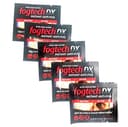
FogTech DX anti-fog wipes
Fogging on a shield that has no Pinlock pins
The fallback for shields that can't take an insert, and a motorcycle product rather than a repurposed swim-goggle one. Single-use wipes you run over the inside of the shield — a coating, so it wears off and wants redoing, which is why a Pinlock still beats it. The listing doesn't state a pack count, so check that before you buy.
$12.66 · View on AmazonPrice as of September 19, 2026. #ad How we’re funded
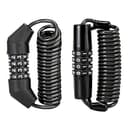
ROCKBROS retractable helmet lock (2-pack)
Carrying your lid into every shop because there's nowhere to leave it
A retractable cable with a 4-digit combination that loops the chin bar to the bike. It is a deterrent, not a vault — enough to stop the opportunist walk-past, which is the theft a commuter actually faces.
$17.99 · View on AmazonPrice as of September 19, 2026. #ad How we’re funded
Frequently asked questions
What motorcycle gear should a beginner buy first?
In order of priority: helmet first (it protects what doesn't heal), then gloves (your hands hit the ground in almost every fall), then an armored jacket, then boots, then riding pants. You don't have to buy it all at once, but ride within the limits of what you're wearing until you do. This checklist covers each piece with a specific pick.
Do I really need all five pieces of gear?
For full ATGATT protection, yes — helmet, jacket, gloves, boots and pants each guard a part of you that gets hurt in a crash. If budget forces a phased approach, buy in the priority order above and treat each purchase as raising the speed and distance you can ride safely. Bare hands or ankles are the most common protection gaps.
How much does a full set of beginner gear cost?
It varies widely, but you don't need to spend a fortune. A certified helmet, an armored jacket, gloves and boots can be assembled affordably — see our budget gear setup for a complete kit chosen for value. The money you save by not buying a flagship helmet is better spent making sure every piece is covered.
Sources
- NHTSA — Motorcycle Safety — The US regulator behind the DOT FMVSS 218 helmet standard (accessed July 19, 2026)
- RevZilla Common Tread — RevZilla's editorial hub — gear explainers and how CE armor and EN 17092 garment ratings work (accessed July 19, 2026)
- Alpinestars — The maker behind most of our gear picks — published materials, CE armor and garment certifications (accessed July 19, 2026)
Keep reading
Budget gear setup
The same list, done as cheaply as protection allows.
See the budget setupYour first helmet
The most important piece, in depth — certification, fit and type.
Read the guideWhat is ATGATT?
The philosophy and the CE armor levels behind this checklist.
Read the guideGifts for a new rider
The same checklist order, written for whoever is buying gear for them this year.
See the new-rider gifts