How to Reduce Wind Noise in a Motorcycle Helmet
Wind noise is the number-one long-distance complaint, and at highway speed it's loud enough to damage hearing over the years. Here are the fixes that actually work, ranked by how much difference each one makes — starting with the cheapest and most effective.
How this is funded: we earn a commission if you buy through our links, at no extra cost to you. It never changes which helmet we recommend, and we’ll tell you plainly when a cheaper or lighter one is the better buy. Full disclosure.
Wind noise is the complaint riders raise most about long-distance riding, and it’s more than an annoyance. At a sustained 75 mph the inside of a helmet is loud enough to fatigue you over a few hours and, worse, to damage your hearing over years of regular riding. The good news is that the most effective fix is also the cheapest. Here are the ways to cut helmet noise, ranked by how much difference each one actually makes.
1. Wear earplugs (this is the big one)
If you take one thing from this guide: wear earplugs on every ride. A few dollars of foam plugs, or a reusable filtered set, cuts more sustained wind noise than the difference between any two helmets on the market — and unlike a new helmet, it protects your hearing directly. This isn’t a compromise fix; it’s the single most effective thing you can do, and every experienced long-distance rider does it. Filtered plugs are designed to attenuate wind roar while still letting you hear traffic and horns, which is worth the small extra cost. No helmet upgrade comes close to the value of earplugs.
2. Get the fit right
A helmet that’s too big is a noise machine: it lets air move around your head and under the shell, and it shifts and buffets in the wind. A correctly sized helmetthat seals snugly around your cheeks and neck is meaningfully quieter than a loose one of the same model. Before you spend money on anything else, make sure your current helmet actually fits — a half-size too big is loud no matter how good the aerodynamics are, and it’s less protective too.
3. Close the gap under your chin
A surprising amount of noise comes up from below, through the gap under your chin. A chin curtain or a padded wind collar— standard on many touring helmets, and an accessory on others — blocks that upward airflow and cuts the roar noticeably. If your helmet came with a chin curtain and you removed it, put it back; if it didn’t, check whether the maker sells one. This is one of the cheaper helmet-side fixes with a real payoff, which is why quiet-focused helmets in our quietest ranking tend to include a wind collar.
4. Seal the shield and check for wear
Make sure your shield closes fully and latches— a shield cracked open even slightly, or one whose gasket has worn, lets in a jet of air. If your helmet suddenly got louder, a worn shield seal or neck roll is the usual culprit; replacing it often restores the original quiet. Some riders add adhesive foam seals around the shield edge, but start by confirming the factory seals are intact and the shield latches to the fully closed position.
5. Buy a quiet helmet (last, not first)
A helmet designed for quiet — an aero shell, a padded wind collar, tight shield seals — genuinely does help, and the calmest lids in our quietest-helmets ranking are a step up from a noisy one. But this is the lastlever, not the first, because it’s the most expensive and delivers less than earplugs and fit do. If you’re buying a new helmet anyway and quiet matters, prioritize a well-sealed touring design — but don’t expect any helmet to be silent, and plan to wear earplugs in it regardless.
The honest bottom line
The order that actually reduces noise is: earplugs first, fit second, chin curtain and shield seals third, and a quieter helmet last.That’s the reverse of how most riders spend their money — they buy an expensive helmet and skip the earplugs. Do it the other way around and you’ll ride quieter, arrive fresher, and protect your hearing for the years of riding ahead. If quiet is a top priority for you, pair a well-sealed touring helmet with earplugs and you’ve done everything that works.
Start with the cheapest thing on the list
Fit, seals and a quieter shell all help, but earplugs are the one item on this page that costs less than a tank of fuel and beats every helmet upgrade you could make. Buy these before you spend anything on the helmet itself.
We haven’t tested these any more than we’ve tested the helmets — they’re here because they solve the problem this page is about, and they’re cheap enough to be worth saying so. Prices are live and dated on each button.
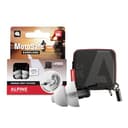
Alpine MotoSafe Tour earplugs
Wind noise — the fix that does more than a quieter helmet does
Filtered riding plugs rather than foam: the point is to cut the wind roar without deleting the engine, your intercom and the traffic around you. This is Alpine's road/touring filter rather than the Race version, which is the right way round for all-day riding.
Frequently asked questions
What is the single best way to reduce motorcycle wind noise?
Earplugs, by a wide margin. A good set of foam or filtered earplugs cuts more sustained wind noise than the difference between any two helmets, they cost a few dollars, and they protect your hearing on every ride. If you do only one thing about wind noise, wear earplugs — it's the cheapest and most effective fix there is.
Can wind noise damage my hearing?
Yes. At sustained highway speeds a helmet's interior can reach noise levels high enough to cause gradual, permanent hearing loss over years of regular riding — the wind, not the engine, is usually the main culprit. That's why earplugs aren't just about comfort; they're hearing protection. The fatigue from noise also reduces your concentration on a long ride.
Does a more expensive helmet mean less wind noise?
Somewhat, but less than you'd think. Premium helmets use aero shells, padded wind collars and tight shield seals that reduce noise, and the quietest helmets we rank are genuinely calmer. But no helmet is silent at speed, fit matters more than price, and earplugs cut more noise than the gap between two helmets. Buy a well-sealed helmet, then still wear earplugs.
Why is my helmet suddenly louder than it used to be?
Usually a worn or damaged seal. Check that the shield still closes fully and latches, that the shield gasket and the neck roll aren't worn or displaced, and that any chin curtain or wind collar is still fitted. A shield that no longer seals, or a missing chin curtain, lets in a rush of air that wasn't there when the helmet was new. Replacing a worn seal often restores the original quiet.
Sources
- RevZilla Common Tread — Snell, ECE and DOT certifications explained — Plain-English overview of how the three certifications differ and who verifies them (accessed July 19, 2026)
Keep reading
Quietest helmets
The lids built to cut wind noise — and how to judge quietness.
See the rankingHow to measure your helmet size
A correct fit is one of the biggest noise reducers there is.
Read the guideBest helmets for touring
Where quiet matters most — long days on the slab.
See the ranking