How to Clean a Motorcycle Helmet
A helmet that smells and has a smeary visor is just a helmet that hasn't been cleaned properly — or has been cleaned with the wrong things. Here's the simple routine that keeps the shell, shield and liner fresh without damaging any of them.
How this is funded: we earn a commission if you buy through our links, at no extra cost to you. It never changes which helmet we recommend, and we’ll tell you plainly when a cheaper or lighter one is the better buy. Full disclosure.
A helmet gets sweaty, buggy and grubby faster than most riders think, and the interior in particular takes a beating from sweat and skin oils every ride. Cleaning it properly keeps it smelling fresh, keeps the visor clear, and helps the liner and coatings last. The catch is that the wrong products do real damage — so the whole trick is being thorough andgentle. Here’s the routine.
The golden rule: mild only
Before anything else, know what to keep away from your helmet: no ammonia-based glass cleaners, no petroleum solvents, no harsh household chemicals, and no paper towels. Glass cleaner and ammonia strip the anti-scratch and anti-fog coatings off a visor; solvents can degrade the shell, its paint and the EPS foam beneath; and paper towels are abrasive enough to scratch a shield. The entire job can be done with warm water, a mild soap or baby shampoo, and soft microfiber cloths. That’s it — and that’s what protects the helmet while you clean it.
Clean the liner and cheek pads
Most modern helmets have a removable, washable liner and cheek pads that snap out. Take them out and hand-wash them in warm water with a little mild baby shampoo, rinse thoroughly, gently press out the water — don’t wring them, which distorts the padding — and air-dry them completely, away from radiators and direct sun. Never put them in a tumble dryer. If your helmet’s liner doesn’t come out, dab it with a damp, mildly soapy cloth and let it air-dry fully before you wear it again. Clean padding keeps the fit consistent, which matters for both comfort and protection.
Clean the shell
Baked-on bugs are the shell’s main enemy, and the trick is to soften them first: lay a warm, damp microfiber cloth over the residue for a minute or two, then wipe it away. Clean the rest of the shell with warm soapy water and a soft cloth. The soak-first step matters because scrubbing hard at dried insects is how you scratch the finish. A little automotive-safe wax on the shell afterward can help shed bugs and water next time, but keep it off the visor.
Clean the visor
The visor is the most damage-prone part, so handle it with the most care. Remove it if your helmet allows tool-less shield removal, and clean it with warm water, mild soap and a soft microfiber clothonly. Soften bugs the same way — a damp cloth laid over them — rather than scrubbing. Let it air-dry or pat it gently. If you run a Pinlock anti-fog insert, be especially gentle with it: its coating is delicate, so wipe it only with a damp soft cloth and never with cleaners. A clean shield also fogs less and holds anti-fog treatments better.
Finish: vents and reassembly
Clear the intake and exhaust ventsof dust and trapped insects with a soft brush or a shot of compressed air — clogged vents mean less airflow and more fogging. Make sure everything, especially the liner, is bone drybefore you reassemble; a damp liner is how a helmet develops a smell. Snap the liner and cheek pads back in, refit the shield, and you’re done. A simple wipe-down after most rides plus a full clean every few weeks keeps a helmet fresh for years — though no amount of cleaning changes when it’s time to replace it, which is a separate call based on age and any impacts.
Two things that make this easier
Neither is necessary — warm water, mild soap and a microfiber cloth genuinely do the whole job. These are the two purchases that make the routine more likely to actually happen.
We haven’t tested these any more than we’ve tested the helmets — they’re here because they solve the problem this page is about, and they’re cheap enough to be worth saying so. Prices are live and dated on each button.
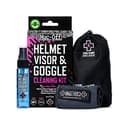
Muc-Off visor, lens & goggle cleaning kit
Baked-on bugs, and the glass cleaner under the sink
Warm water and mild soap do this job for nothing, and we'd say so before we'd sell you a kit. What the money buys is a visor-safe cleaner and a cloth that live in the garage — so the ammonia-based glass cleaner never ends up on your shield and strips its coatings.
$22.81 · View on AmazonPrice as of September 21, 2026. #ad How we’re funded
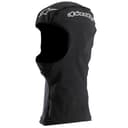
Alpinestars open-face balaclava
A liner that gets sweaty far faster than you'll wash it
A thin layer between your head and the padding. The liner stays cleaner for longer, the helmet slides on more easily, and it takes the edge off a cold start — from the same maker as the gloves and jacket at the top of our gear rankings.
$34.40 · View on AmazonPrice as of September 21, 2026. #ad How we’re funded
Frequently asked questions
How do I clean the inside of a motorcycle helmet?
Remove the liner and cheek pads if they're removable, and hand-wash them in warm water with a little mild baby shampoo or gentle soap. Rinse well, gently squeeze out the water without wringing, and air-dry them completely away from direct heat. For non-removable liners, dab the padding with a damp, mildly soapy cloth and let it air-dry fully before wearing.
What should I not use to clean a helmet visor?
Never use glass cleaner, ammonia-based products, solvents or paper towels on a visor. Glass cleaners and ammonia strip the anti-scratch and anti-fog coatings, and paper towels are abrasive enough to leave fine scratches. Use only warm water, mild soap and a soft microfiber cloth. Be especially gentle with a Pinlock insert, whose coating is easily damaged.
How often should I clean my motorcycle helmet?
Wipe the shield and shell down after most rides so bugs don't bake on, and do a full clean — including washing the liner — every few weeks in regular use, or whenever it starts to smell or look grubby. Sweat breaks down liner materials over time, so keeping the interior clean also helps the padding last and keeps the fit consistent.
Can I use car wax or polish on a helmet?
A little automotive-safe wax or a dedicated helmet polish on the shell is generally fine and can help shed bugs and water, but keep it off the visor and avoid abrasive polishes. The priority is to avoid petroleum solvents and harsh chemicals anywhere on the helmet. When in doubt, warm water and mild soap do almost everything you need.
Sources
- RevZilla Common Tread — Snell, ECE and DOT certifications explained — Plain-English overview of how the three certifications differ and who verifies them (accessed July 19, 2026)
- Pinlock — Anti-fog technology — The maker of the Pinlock anti-fog insert most premium shields are prepared for (accessed July 19, 2026)
Keep reading
How to stop a helmet fogging
A clean shield fogs less and holds anti-fog coatings better.
Read the guideWhen to replace a helmet
Cleaning extends its life; know when it's time to retire it anyway.
Read the guideHow to wear a helmet correctly
Fit and care together keep a helmet doing its job.
Read the guide