How to Stop a Motorcycle Helmet Fogging Up
A visor that fogs at a stoplight on a cold morning isn't just annoying — it's a real visibility hazard. Here's why it happens and how to fix it, from the one solution that works best to the cheap tricks that get you home.
How this is funded: we earn a commission if you buy through our links, at no extra cost to you. It never changes which helmet we recommend, and we’ll tell you plainly when a cheaper or lighter one is the better buy. Full disclosure.
Every rider knows the moment: a cold morning, you pull up to a light, and your visor grays over from the bottom until you can barely see. Fogging is warm, moist breath condensing on the cooler inside of the shield— the same physics as breath on a cold window — and it’s at its worst exactly when you least want it, in cold weather and when you’re stopped with no airflow to clear it. It is also a genuine safety issue, not just a nuisance. Here’s how to fix it properly, and how to get home when it catches you out.
The real fix: a Pinlock insert
If your shield is Pinlock-ready— and most premium helmets are, including the touring lids in our touring ranking — a Pinlock insertis the answer. It’s a thin second lens that clips onto pins inside the shield and seals against it, creating a small trapped air gap that works like double glazing: the inner surface you breathe on stays warm enough not to fog. It’s dramatically more effective and longer-lasting than any spray, it’s inexpensive, and many helmets include one in the box. Check your shield for the two small Pinlock pins; if they’re there, buy the matching insert and you’ve essentially solved fogging.
Ventilation and the shield-crack trick
Airflow clears fog, so open your helmet’s chin and top vents — the chin vent in particular directs air up the inside of the shield. When fog builds at a stop or low speed, crack the shield to its first detent; the rush of air clears it in seconds. This is the classic get-you-home move, and it’s effective, but it lets in cold air, noise and rain, so treat it as a temporary measure rather than the solution.
Redirect your breath
A lot of fog comes straight from your own exhaled breath rising onto the shield. Most helmets include a breath guard(chin deflector) — a small foam or plastic baffle at the chin that redirects your breath downand away from the visor instead of up onto it. If yours came with one and you removed it, refit it; if it didn’t, the maker may sell one. Combined with a chin curtain, it makes a real difference in cold weather at low speed.
Anti-fog coatings for non-Pinlock shields
If your shield isn’t Pinlock-ready, a dedicated anti-fog coating— a spray or a wipe — applied to a clean inner surface is the next best thing. It reduces fogging for a while but wears off and needs reapplying, so it’s a maintenance item rather than a permanent fix. Some budget helmets, like the Scorpion EXO-R430 with its EverClear coating, build anti-fog into the shield from the factory. Whatever you use, keep the shield clean and dry— a clean surface fogs less and holds a coating better — and don’t scrub a Pinlock insert with harsh cleaners, which strips its coating.
The order to try them
Work from most to least effective: fit a Pinlock insert if you can; add a breath guard and use your vents; keep an anti-fog coatinggoing if your shield can’t take a Pinlock; and keep the shield-crack trickin your back pocket for when fog catches you out. Do the first two and cold-morning fogging stops being something you think about — which means one less distraction on exactly the kind of cold, damp ride where you need your eyes on the road.
What the fix actually costs
Everything above is cheap, which is the point — fogging is one of the few riding problems you can solve for the price of a tank of fuel. In the order this guide recommends them:
We haven’t tested these any more than we’ve tested the helmets — they’re here because they solve the problem this page is about, and they’re cheap enough to be worth saying so. Prices are live and dated on each button.
Pinlock anti-fog insert
A visor that grays over at every stoplight
The one fix that solves fogging rather than delaying it — a second lens that seals inside the shield like double glazing. Inserts are made per shield, so this link is a search: check your visor for the two small Pinlock pins, then match the insert to your exact helmet and shield model.
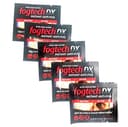
FogTech DX anti-fog wipes
Fogging on a shield that has no Pinlock pins
The fallback for shields that can't take an insert, and a motorcycle product rather than a repurposed swim-goggle one. Single-use wipes you run over the inside of the shield — a coating, so it wears off and wants redoing, which is why a Pinlock still beats it. The listing doesn't state a pack count, so check that before you buy.
$12.66 · View on AmazonPrice as of September 21, 2026. #ad How we’re funded
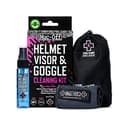
Muc-Off visor, lens & goggle cleaning kit
Baked-on bugs, and the glass cleaner under the sink
Warm water and mild soap do this job for nothing, and we'd say so before we'd sell you a kit. What the money buys is a visor-safe cleaner and a cloth that live in the garage — so the ammonia-based glass cleaner never ends up on your shield and strips its coatings.
$22.81 · View on AmazonPrice as of September 21, 2026. #ad How we’re funded
Frequently asked questions
What is the best way to stop a helmet visor fogging?
A Pinlock insert, if your shield is Pinlock-ready. It's a second lens that clips inside the shield and creates a sealed air gap — like double glazing — which is far more effective and durable than sprays. Most premium helmets come Pinlock-prepared, and many include the insert. It's the fix that actually solves fogging rather than just delaying it.
Why does my helmet fog up?
Fog is warm, moist air from your breath hitting the cooler inside surface of the shield and condensing, exactly like breath on a cold window. It's worst in cold, damp weather and when you're stopped, because there's no airflow to clear it. Anything that either warms the shield surface, seals it, or moves air across it will reduce fogging.
Do anti-fog sprays work on motorcycle visors?
They help, but they're a stopgap compared with a Pinlock insert. A dedicated anti-fog coating applied to a clean inner shield reduces fogging for a while, but it wears off and needs reapplying. Use a spray or a wipe-on coating if your shield isn't Pinlock-ready; if it is, a Pinlock insert is the more reliable, longer-lasting solution.
Can I just crack the visor open to stop fog?
Yes, as a quick fix — cracking the shield to its first detent lets air flow across it and clears fog fast, and it's useful at stops or low speed. But it lets in cold air, wind noise and rain, so it's a get-you-home measure, not a real solution. Combine it with the helmet's vents; for a permanent fix, use a Pinlock insert or a breath guard.
Sources
- Pinlock — Anti-fog technology — The maker of the Pinlock anti-fog insert most premium shields are prepared for (accessed July 19, 2026)
- RevZilla Common Tread — Snell, ECE and DOT certifications explained — Plain-English overview of how the three certifications differ and who verifies them (accessed July 19, 2026)
Keep reading
How to clean a helmet
Cleaning the shield and Pinlock without damaging the anti-fog coating.
Read the guideBest helmets for touring
Most touring picks ship Pinlock-ready — see which.
See the rankingShoei Neotec 3 review
A shield with a defogger and Pinlock readiness done right.
Read the reviewBest helmets for rain
The lids that seal, shed and stay clear — ranked on Pinlock readiness first.
See the ranking